What Does HVAC Maintenance Actually Include
Most homeowners have no idea what happens during a maintenance visit. Here is exactly what our technicians check and why each step matters.

Marcus Reyes
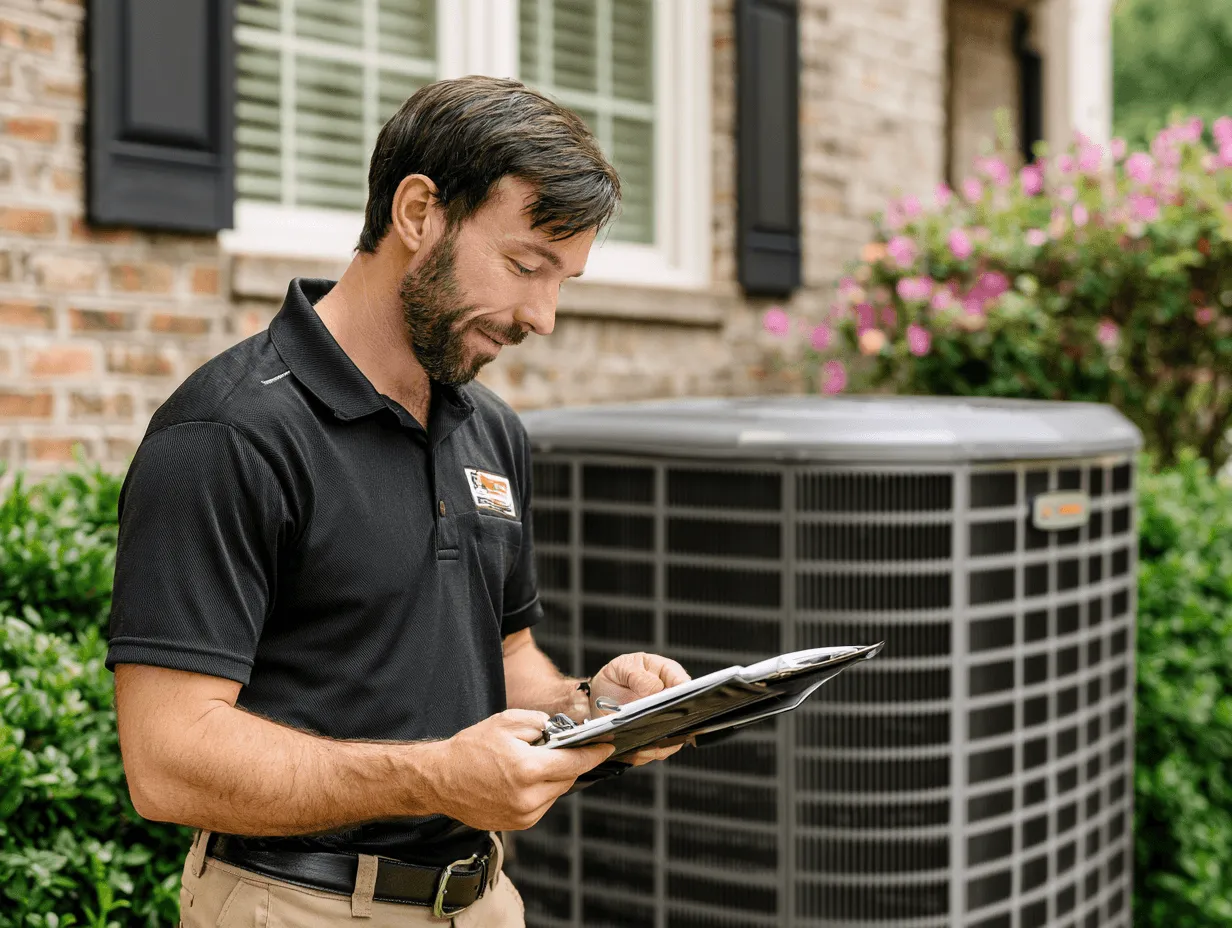
Most homeowners schedule an HVAC maintenance visit because they know they're supposed to. Fewer know what actually happens during that visit. That uncertainty makes it hard to evaluate whether you're getting good service or just a quick once-over that doesn't accomplish much.
Here is exactly what a thorough maintenance visit covers and why each part of it matters.
Why maintenance visits exist
The purpose of a maintenance visit is not to fix things that are broken. It's to find things that are starting to fail before they break completely, verify that the system is operating efficiently, and take care of the small tasks that have a measurable impact on performance and lifespan.
A system that gets regular maintenance runs more efficiently, lasts longer, and fails less often than one that doesn't. The math on that is straightforward and consistent.
Filter inspection and replacement
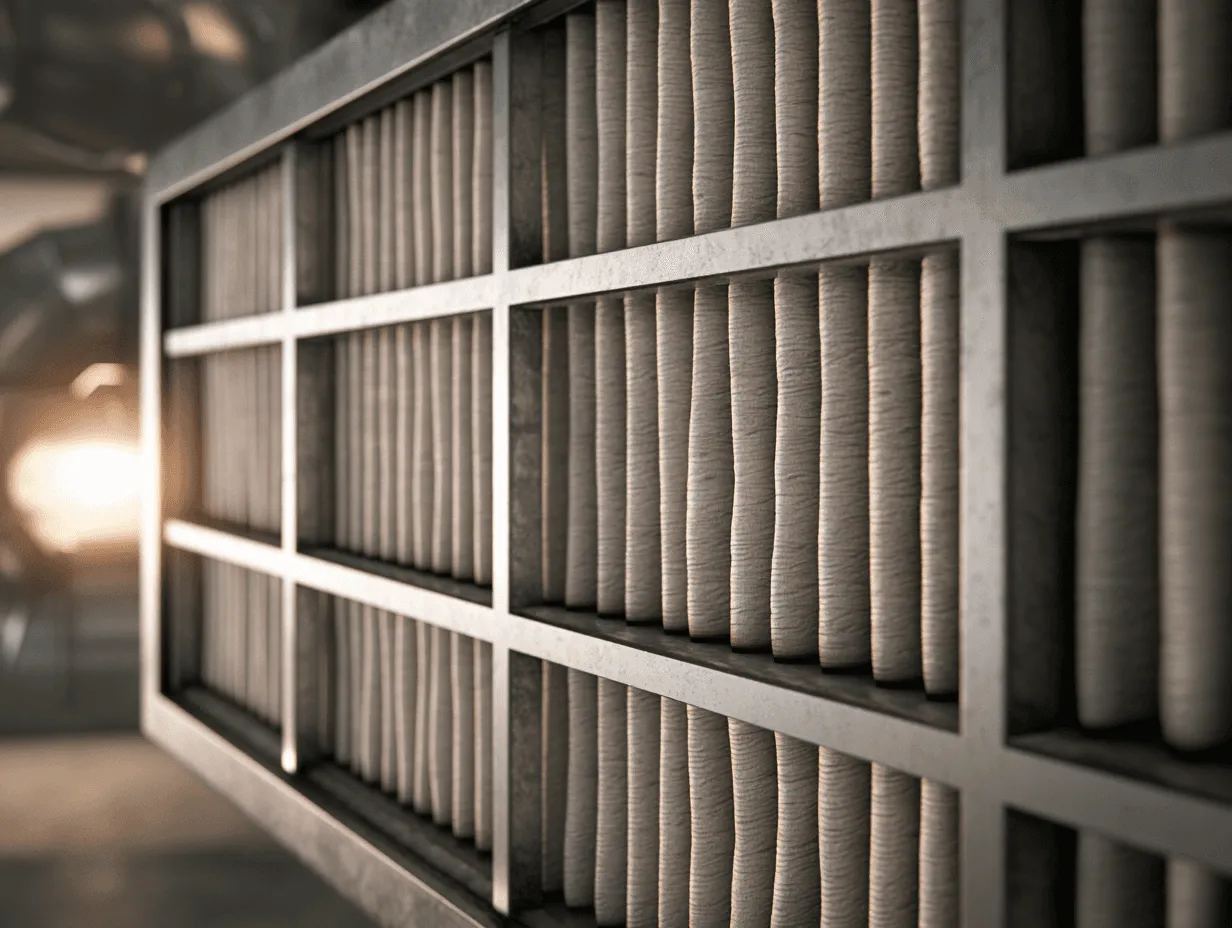
Every maintenance visit starts with the filter. A clogged filter restricts airflow, forces the system to work harder, and reduces efficiency. It also means dirtier air circulating through your home. Technicians check the condition of the filter and replace it if needed. If you're on a plan that includes filter replacement, this is taken care of as part of the visit.
Evaporator and condenser coil inspection and cleaning
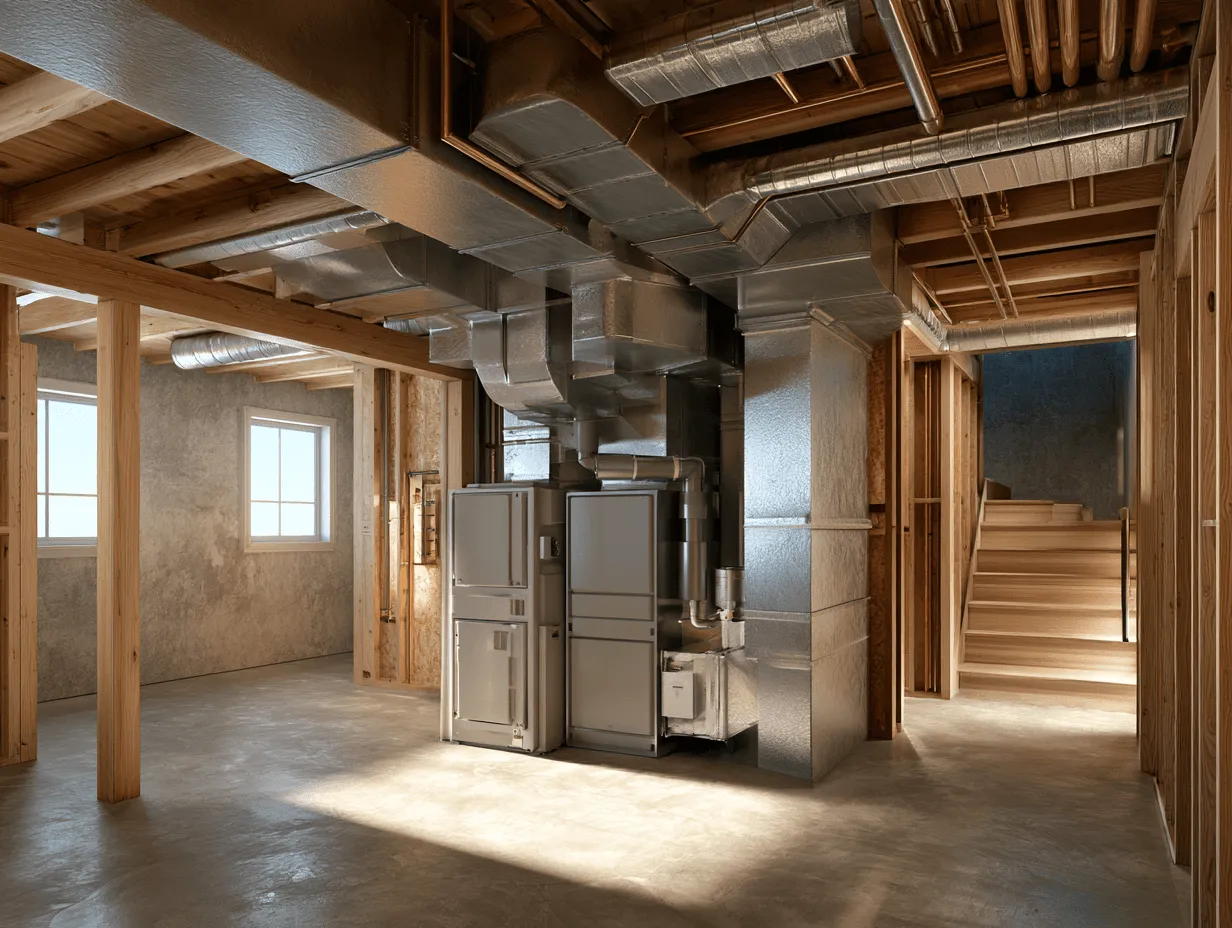
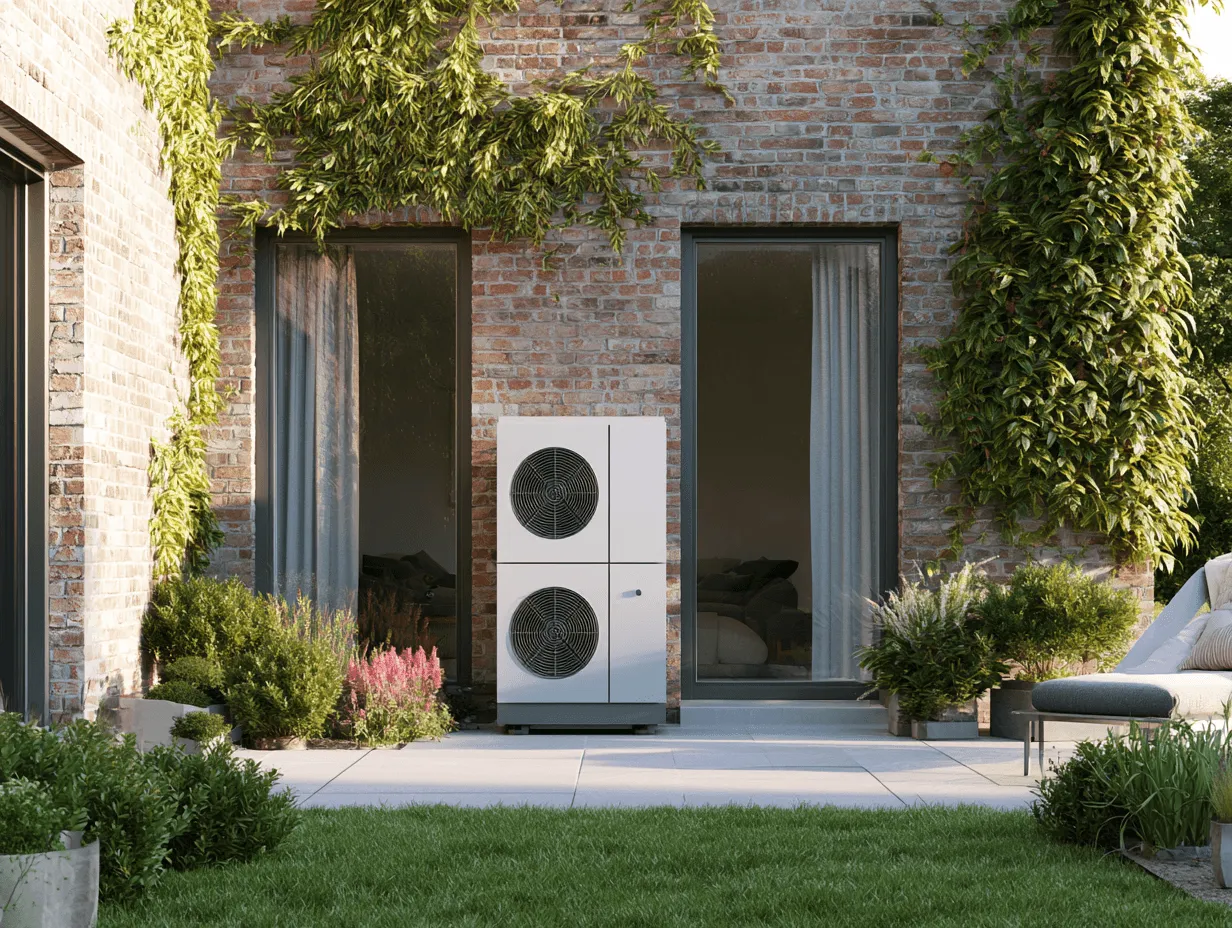
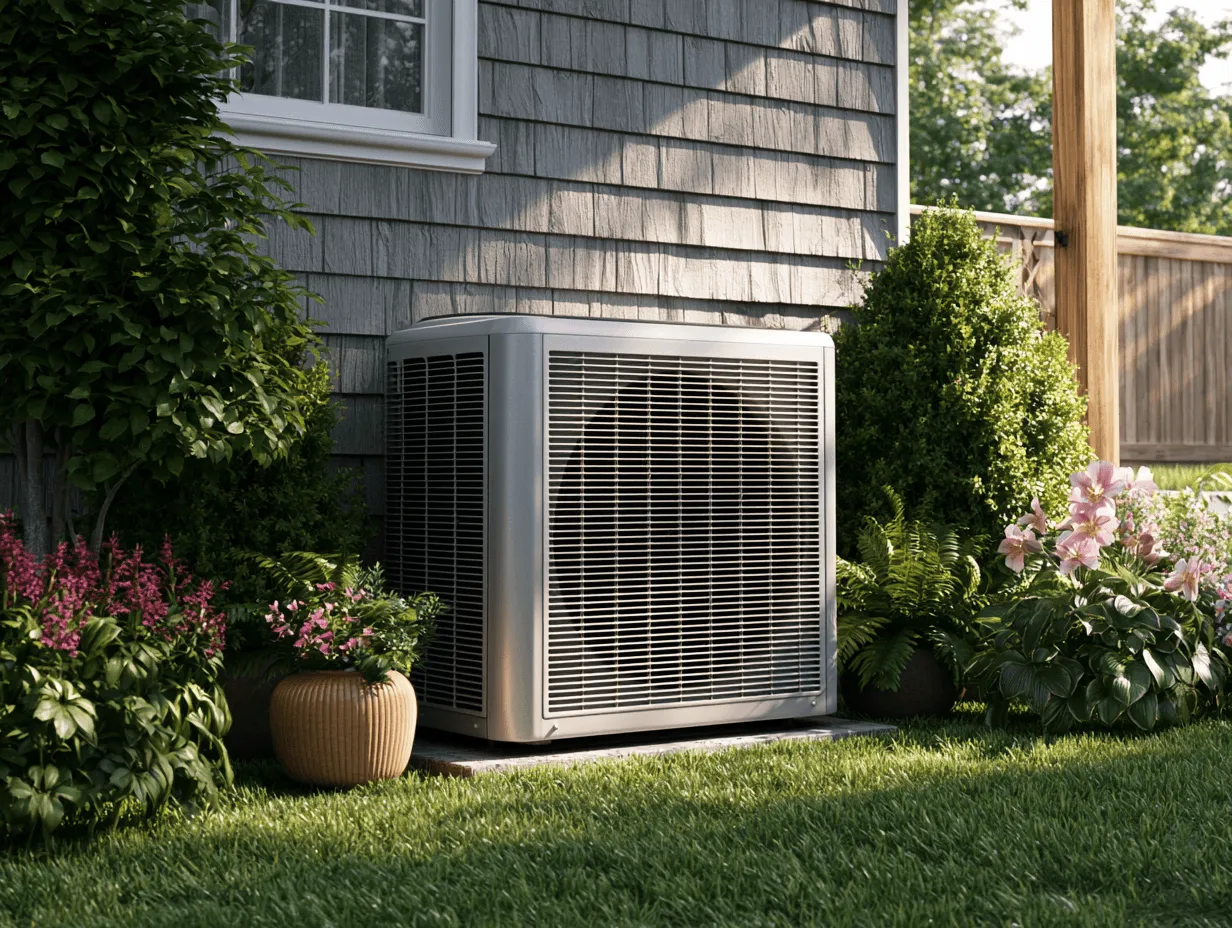
The evaporator coil sits inside your air handler and absorbs heat from the air passing over it. The condenser coil sits in your outdoor unit and releases that heat outside. Both coils accumulate dirt and debris over time, which acts as insulation and reduces their ability to transfer heat efficiently.
Dirty coils are one of the most common causes of reduced cooling capacity and elevated energy bills. Cleaning them restores performance and takes strain off the compressor.
Refrigerant pressure check
Refrigerant is the substance that moves heat through your system. It circulates between the indoor and outdoor units in a closed loop and should never need to be refilled under normal circumstances. If refrigerant levels are low, it means there is a leak somewhere in the system.
Technicians check refrigerant pressure at every maintenance visit. Low pressure is caught early, the leak is located and repaired, and the system is recharged. Catching this early prevents the compressor from running in a low-refrigerant condition, which causes significant damage over time.
Electrical connection inspection and voltage testing
Loose or corroded electrical connections are a leading cause of component failure and a potential safety issue. Technicians inspect all electrical connections, tighten anything that has loosened, and test voltage and amperage at key components to confirm they're operating within spec.
A motor drawing more current than it should is often a sign that it's starting to fail. Catching that early means replacing a motor on your schedule rather than replacing it as an emergency when the system stops working.
Lubrication of moving parts
Blower motors and other moving components require lubrication to operate without excessive friction. Dry bearings wear faster, draw more current, and eventually seize. Lubrication is a simple step that extends the life of these components significantly.
Thermostat calibration
A thermostat that's reading the temperature inaccurately causes the system to run more or less than it should. Technicians verify that the thermostat is reading correctly and calibrate it if necessary. This is a simple check that has a real impact on comfort and efficiency.
Heat exchanger inspection
The heat exchanger is one of the most important components in a gas furnace and one of the most serious things to get wrong. A cracked heat exchanger can allow combustion gases, including carbon monoxide, to enter the living space. Technicians inspect the heat exchanger visually at every maintenance visit and flag any cracks or signs of stress for immediate attention.
This is not a step to skip. A cracked heat exchanger is a safety issue, not just a performance issue.
Condensate drain inspection and clearing
Air conditioning systems remove moisture from the air as a byproduct of cooling. That moisture collects in a drain pan and flows out through a condensate drain line. Over time, algae and debris can clog the drain line, causing the pan to overflow and potentially causing water damage to the area around the air handler.
Technicians inspect the drain pan, clear the drain line, and confirm that water is flowing freely. This takes a few minutes and prevents what can become a significant water damage problem.
Airflow measurement
Technicians measure airflow at supply and return vents to confirm that air is moving through the system correctly. Low airflow at specific vents can indicate duct leaks, blockages, or balancing issues that affect comfort in those areas of the home. Catching this during a maintenance visit means addressing it before it becomes a persistent complaint.
System startup and shutdown testing
The visit ends with a full operational test. The technician runs the system through a complete heating or cooling cycle, confirms that it starts correctly, operates within normal parameters, and shuts down cleanly. Any abnormalities observed during the test are noted and discussed with the homeowner before the technician leaves.
What you should expect at the end of a visit
A good maintenance visit ends with a conversation, not just a signature on a work order. Your technician should tell you what they found, what they did, and what they noticed that you should keep an eye on. If something is starting to show wear, you should know about it so you can plan rather than react.
If your technician completes a visit without telling you anything, that's either very good news or a sign that the visit wasn't as thorough as it should have been. It's reasonable to ask what was checked and what was found.