How Often Should You Replace Your Air Filter
Most homeowners replace their air filter too late. Here is what the schedule actually looks like and why it matters more than you think.

Jordan Ellis
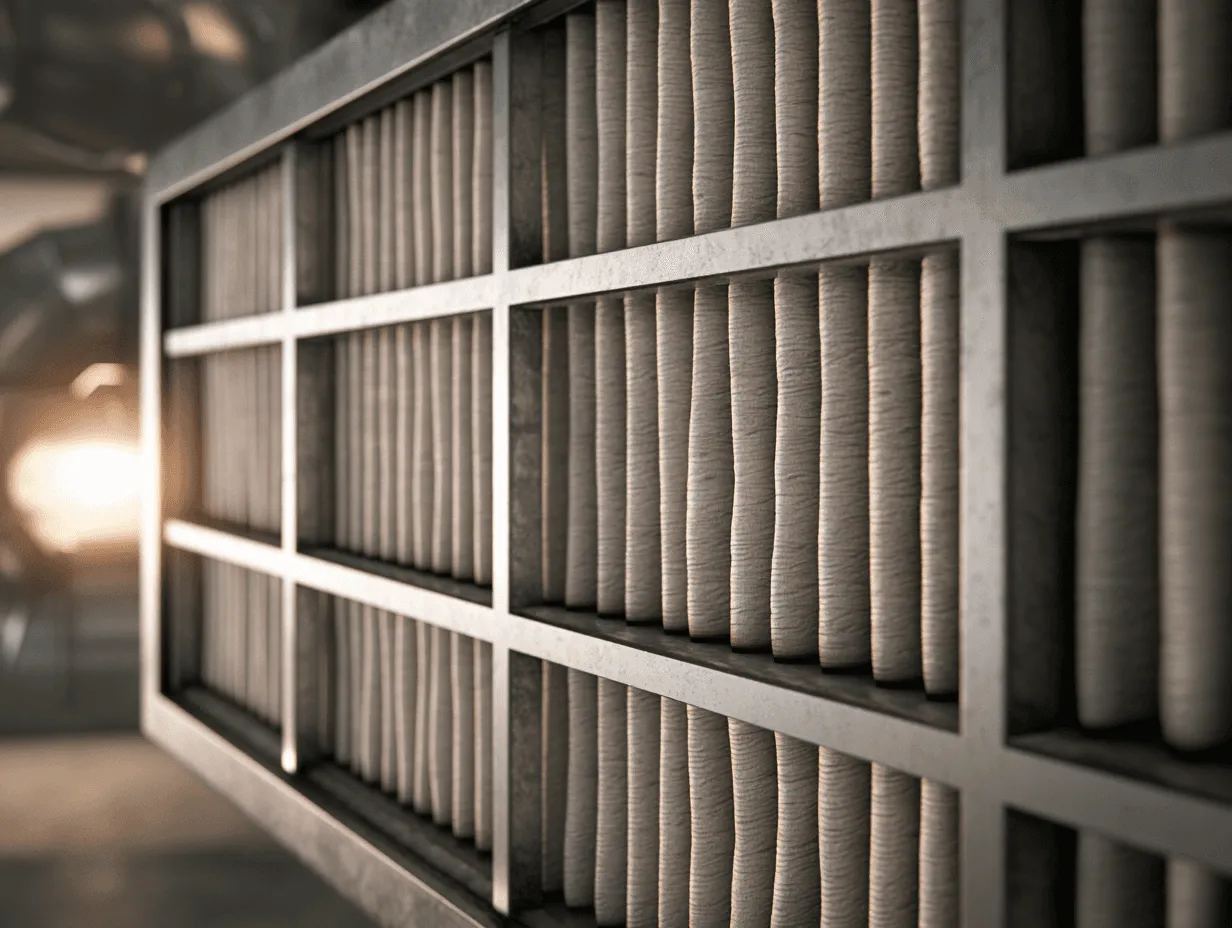
The air filter is the most overlooked part of any HVAC system. It costs a few dollars, takes about two minutes to replace, and has a bigger impact on system performance and air quality than most homeowners realize. The problem is that most people replace it too late, if they replace it at all.
Here is what the actual schedule looks like and why it matters.
Why the air filter matters more than you think
Your air filter does two jobs. It protects your HVAC equipment from dust and debris that would otherwise coat the coils, clog the blower, and reduce efficiency. And it removes particles from the air circulating through your home. When the filter gets clogged, both jobs suffer. Airflow drops, the system works harder, efficiency goes down, and the air in your home gets dirtier.
A clogged filter is one of the most common causes of reduced HVAC performance and one of the easiest to prevent.
The general replacement schedule
The right replacement frequency depends on your filter type and your home's specific conditions.
Basic 1-inch fiberglass filters should be replaced every 30 days. They have a low particle capacity and clog quickly, especially in homes with pets or high dust levels.
Standard 1-inch pleated filters typically last 60 to 90 days under normal conditions. These are the most common filter type and a significant upgrade over fiberglass in terms of filtration quality.
Thicker pleated filters in the 2 to 4 inch range can last 3 to 6 months depending on conditions. These are more common in systems with a dedicated filter cabinet.
High-efficiency filters including HEPA and similar options can last 6 to 12 months but require a system that's designed to handle the increased resistance they create. Not every HVAC system is compatible.
Conditions that require more frequent replacement
The schedule above assumes average conditions. Several factors will push you toward the shorter end of the range or require replacement more often than the standard recommendation.
Pets are the most common factor. Pet dander and hair clog filters significantly faster than dust alone. Homes with one or two dogs or cats should plan on replacing filters at least once a month regardless of filter type.
High occupancy means more activity, more dust, and more airborne particles. A household with several people will go through filters faster than a single-person home.
Renovation or construction nearby generates significant dust that gets pulled into your system. During or immediately after any renovation work, check the filter weekly.
Allergy or asthma sufferers benefit from more frequent replacement and higher-efficiency filters. A clean filter means cleaner air, which makes a measurable difference for people with respiratory sensitivities.
How to check if your filter needs replacing
Pull the filter out and hold it up to the light. A new filter lets light through easily. A filter that's ready to be replaced will be visibly grey or brown and block most of the light. If you can't remember when you last replaced it, replace it now.
A note on filter ratings
Filters are rated by MERV, which stands for Minimum Efficiency Reporting Value. Higher MERV ratings capture smaller particles but also restrict airflow more. Most residential systems perform best with a filter in the MERV 8 to 11 range. Going higher than that without confirming your system can handle it can actually reduce performance and put strain on the blower motor.
If you're unsure what filter rating your system is designed for, ask your HVAC technician at your next service visit. It's a simple question with a straightforward answer.
The bottom line
Set a reminder on your phone for the first of every month. Pull the filter out, check it, and replace it if it's dirty. If you're on a maintenance plan with HVAC Pro, filter inspection is included in every visit. It takes two minutes and it's one of the highest-return maintenance tasks any homeowner can do.