Heat Pump vs Furnace: Which Is Right for Your Home
Trying to decide between a heat pump and a furnace? Here is an honest breakdown of how each system works and when one makes more sense than the other.

Marcus Reyes
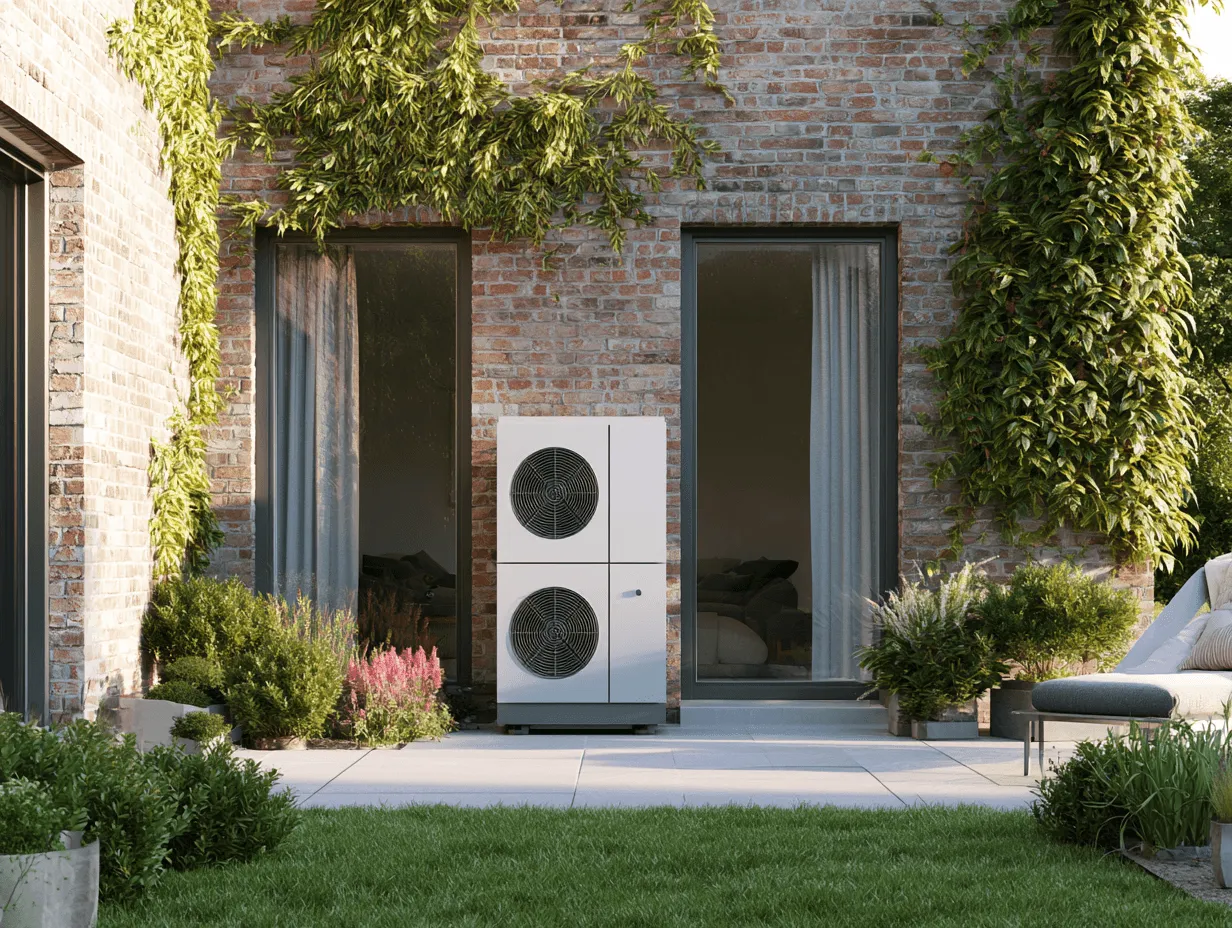
Choosing between a heat pump and a furnace is one of the most common questions homeowners face when it's time to replace an aging heating system. Both work well. Both have real advantages. And the right answer depends on your home, your climate, and how you use your system.
Here is an honest breakdown of how each works and when one makes more sense than the other.
How a furnace works
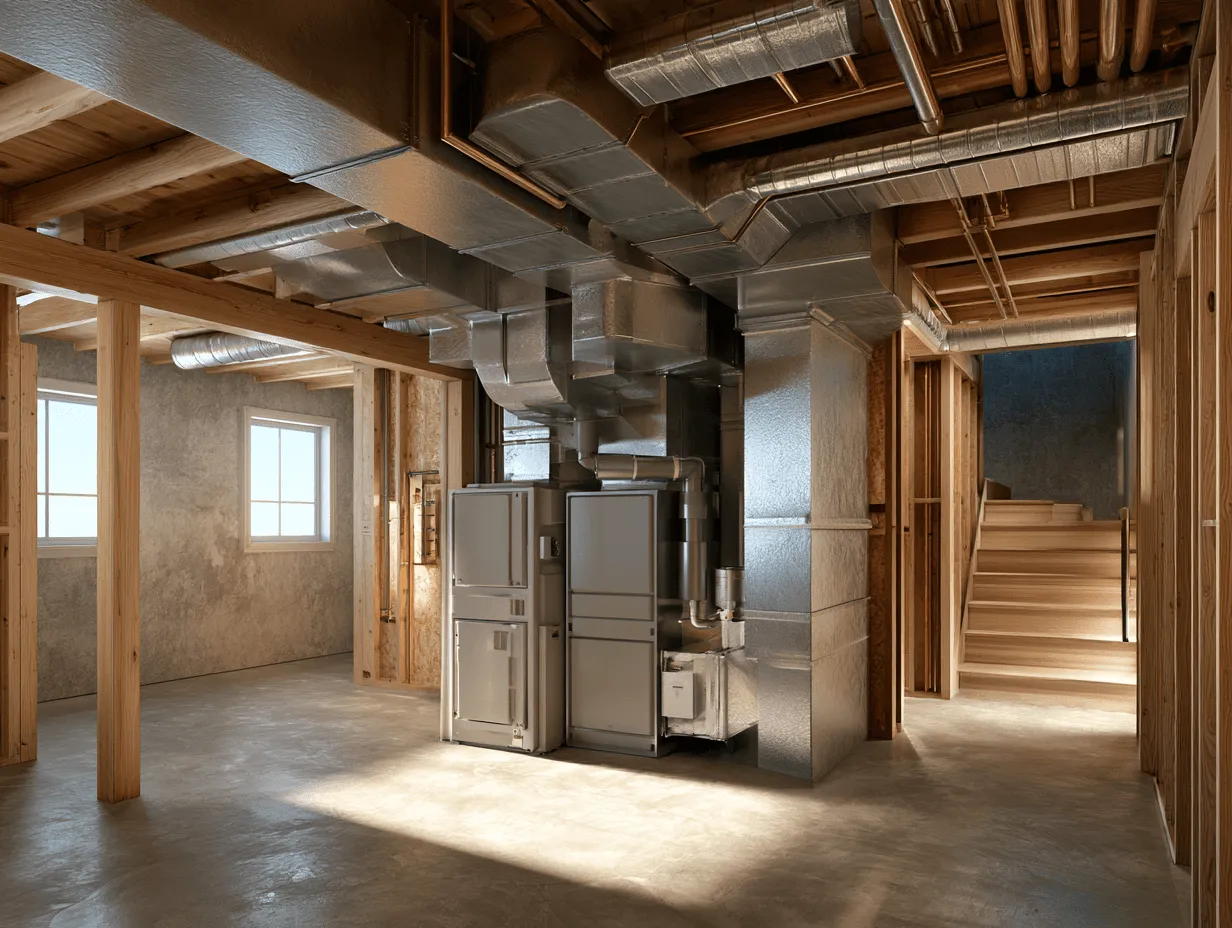
A furnace generates heat by burning fuel, typically natural gas, though propane and oil furnaces exist as well. Electric furnaces use resistance heating elements instead of combustion. The furnace heats air and pushes it through your duct system to warm the home.
Gas furnaces are the most common heating system in the United States. They're reliable, widely understood by technicians, and capable of producing very high heat output quickly. In areas with very cold winters, this ability to generate intense heat fast is a significant advantage.
How a heat pump works
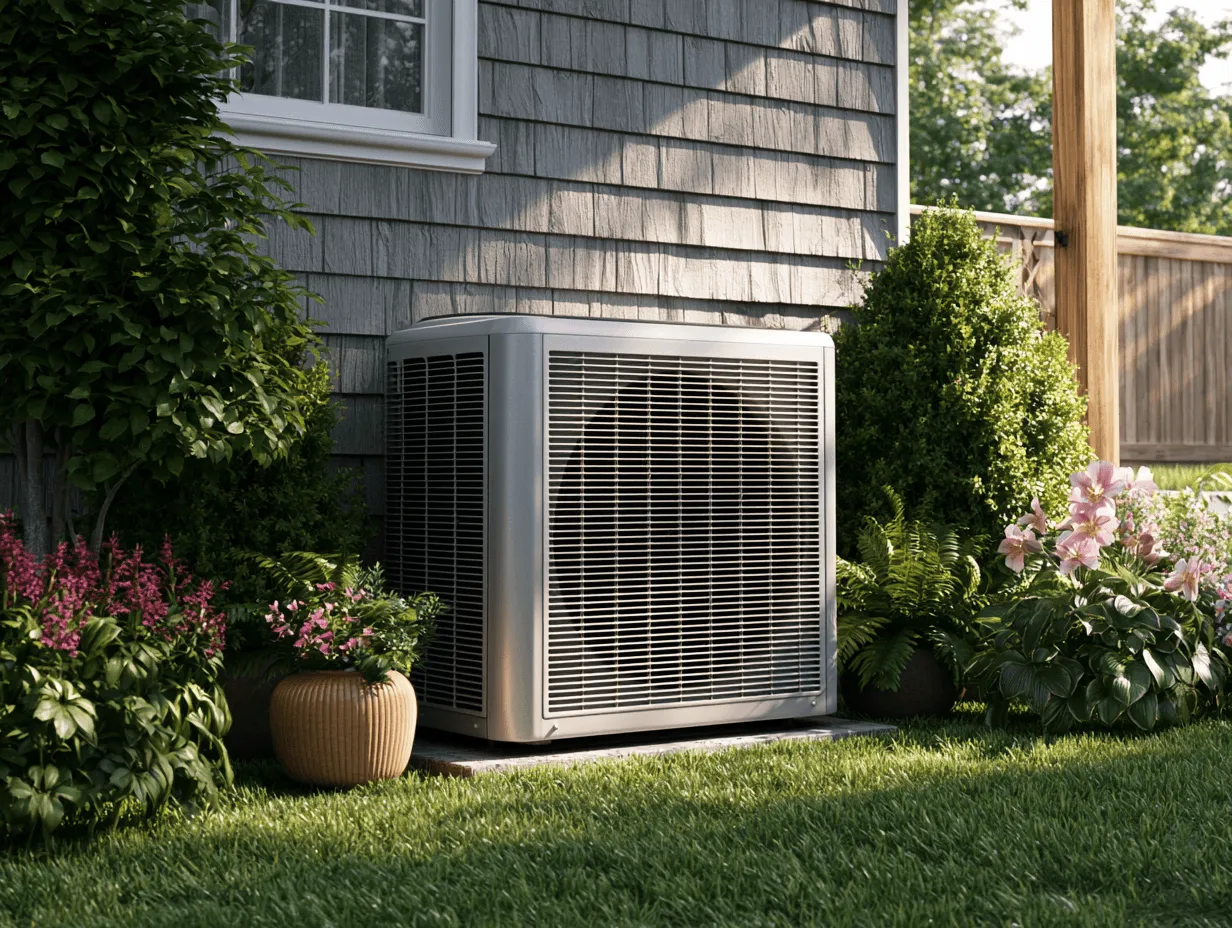
A heat pump doesn't generate heat. It moves it. In winter, it extracts heat energy from outdoor air and transfers it inside. In summer, it reverses the process and operates as an air conditioner. One system handles both heating and cooling.
This process is significantly more energy efficient than combustion or resistance heating because moving heat requires less energy than creating it. Under the right conditions, a heat pump can deliver two to three times more heat energy than the electricity it consumes.
Where heat pumps have historically struggled
The limitation of traditional heat pumps has been cold weather performance. As outdoor temperatures drop, there is less heat energy available in the air to extract. Older heat pump technology lost efficiency quickly below freezing and became largely ineffective in very cold climates.
This is the reason many people in cold-weather regions defaulted to gas furnaces for decades.
Why that limitation matters less now
Modern cold-climate heat pumps have changed this picture significantly. Leading manufacturers now produce heat pump systems that operate efficiently at temperatures as low as negative 15 degrees Fahrenheit. For most of the continental United States, including regions that experience significant winter cold, today's heat pump technology performs reliably throughout the heating season.
If you evaluated heat pumps years ago and dismissed them based on cold weather performance, the technology has moved substantially since then.
When a heat pump makes more sense
A heat pump is likely the better choice if your home doesn't have natural gas service and you're currently heating with electric resistance or propane. The efficiency gains are significant and the payback period on the investment tends to be shorter.
It also makes strong sense if you're replacing both a furnace and an air conditioner at the same time. A heat pump handles both functions from a single system, which simplifies maintenance and can reduce total equipment cost.
Homes in moderate climates where winter temperatures rarely drop far below freezing are ideal candidates. The system performs at peak efficiency throughout the season without any cold weather compromise.
If you're interested in reducing your home's carbon footprint or taking advantage of federal tax credits and utility rebates for high-efficiency equipment, heat pumps currently qualify for more incentives than most gas systems.
When a furnace makes more sense
A gas furnace is still a strong choice in areas with very harsh winters where temperatures regularly drop well below zero, particularly in older homes with significant heat loss that a heat pump would struggle to keep up with on the coldest days.
If you already have a natural gas system in place and your distribution infrastructure is in good condition, staying with gas can be the simpler and more cost-effective path depending on local energy prices.
A furnace also makes sense if you're replacing heating only and your air conditioning equipment is newer and in good condition. Replacing half the system doesn't require switching to a heat pump for it to make financial sense.
The dual-fuel option
If you're not ready to commit fully to a heat pump but want to capture the efficiency benefits for most of the year, a dual-fuel system pairs a heat pump with a gas furnace backup. The heat pump handles heating down to a set outdoor temperature threshold, at which point the furnace takes over. You get heat pump efficiency for the majority of the heating season and gas furnace reliability when temperatures drop to their lowest.
This is an increasingly popular option for homeowners in climates with moderate winters and occasional extreme cold events.
How to make the right call for your home
The honest answer is that either system can work well if it's properly sized and installed. The right choice depends on your local climate, your existing infrastructure, your energy costs, and your priorities around efficiency, carbon footprint, and upfront investment.
If you're weighing the decision, a load calculation and an honest conversation with a technician who knows your home is the most reliable path to the right answer. At HVAC Pro, we don't steer customers toward the more expensive option. We give you the information you need and let you decide.