Your HVAC System Is Trying to Tell You Something
Your HVAC system rarely fails without warning. Learn the most common signs homeowners miss and what each one usually means.

Marcus Reyes
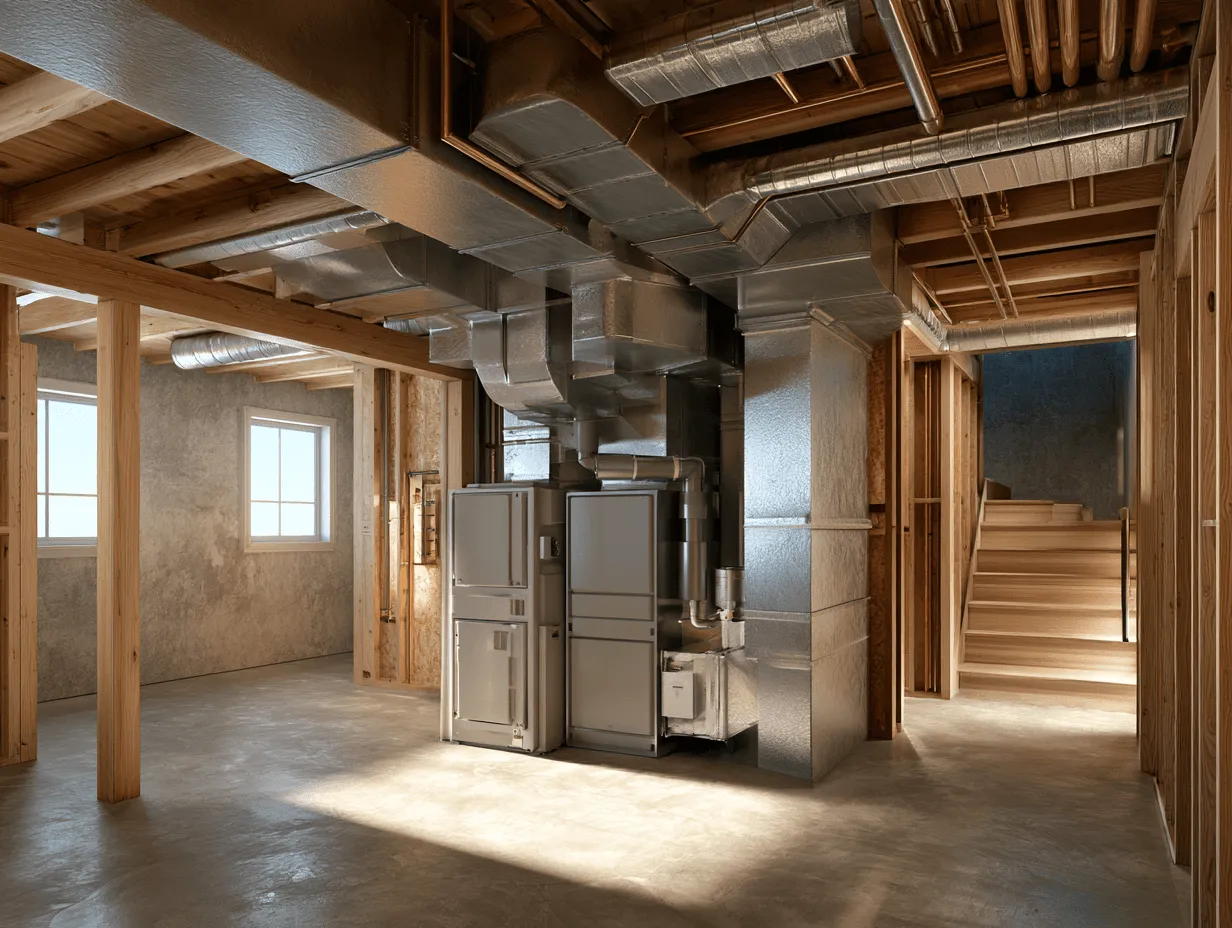
Your HVAC system rarely fails without warning. Most breakdowns come with weeks or even months of small signals that are easy to ignore until the day the system stops working entirely. Learning to read those signals is the difference between a planned repair and an emergency call on the hottest day of the year.
Here are the most common warning signs homeowners miss, and what each one usually means.
Your energy bills are climbing without explanation
If your heating or cooling costs have gone up but your usage habits haven't changed, your system is working harder than it should to maintain the same temperature. This is usually a sign of reduced efficiency caused by dirty coils, low refrigerant, a clogged filter, or a component that's starting to fail. A seasonal tune-up often resolves this before it becomes a bigger problem.
The system is running longer cycles than usual
A well-functioning HVAC system should reach the set temperature and shut off. If yours is running almost continuously without getting there, something is off. It could be a refrigerant issue, a failing compressor, poor airflow from a clogged filter or blocked vents, or a system that's simply undersized for the space. Any of these warrant a professional look.
You're noticing uneven temperatures between rooms
One room that's always warmer or cooler than the rest of the house usually points to an airflow problem. Causes range from blocked or closed vents to duct leaks, a failing blower motor, or zoning issues in homes with more complex systems. It's worth noting which rooms are affected and when, since that information helps a technician narrow down the cause faster.
The system is making sounds it didn't used to make
HVAC systems are not silent, but they should be consistently quiet. New sounds are almost always meaningful. A rattling sound often indicates a loose component. Grinding or squealing usually points to a motor or belt issue. Banging at startup can indicate a problem with the heat exchanger or compressor. None of these sounds resolve on their own, and waiting usually means a more expensive repair.
You're calling for repairs more than once a year
One repair in a given year is normal. Two or more in the same year is a pattern worth paying attention to. Frequent repairs on an older system are often a sign that multiple components are wearing out around the same time. At that point the math usually favors replacement over continued repair, especially when you factor in the energy savings a newer, more efficient system delivers.
What to expect when you call a technician
A good technician will do more than fix the immediate problem. They'll assess the full system, walk you through what they find, and give you an honest picture of the system's overall condition. If something else is close to failing, they should tell you so you can plan ahead rather than react to the next breakdown.
What to do if you recognize any of these signs
The best move is a professional inspection before the problem gets worse. Most HVAC problems are far cheaper to fix early than to address after a full breakdown. If your system has been showing any of these signs, don't wait for the worst day of summer or winter to find out how serious it is.