The Homeowner's Guide to Indoor Air Quality
Indoor air can be significantly more polluted than outdoor air. Here is what affects the air quality in your home and what you can actually do about it.

Marcus Reyes
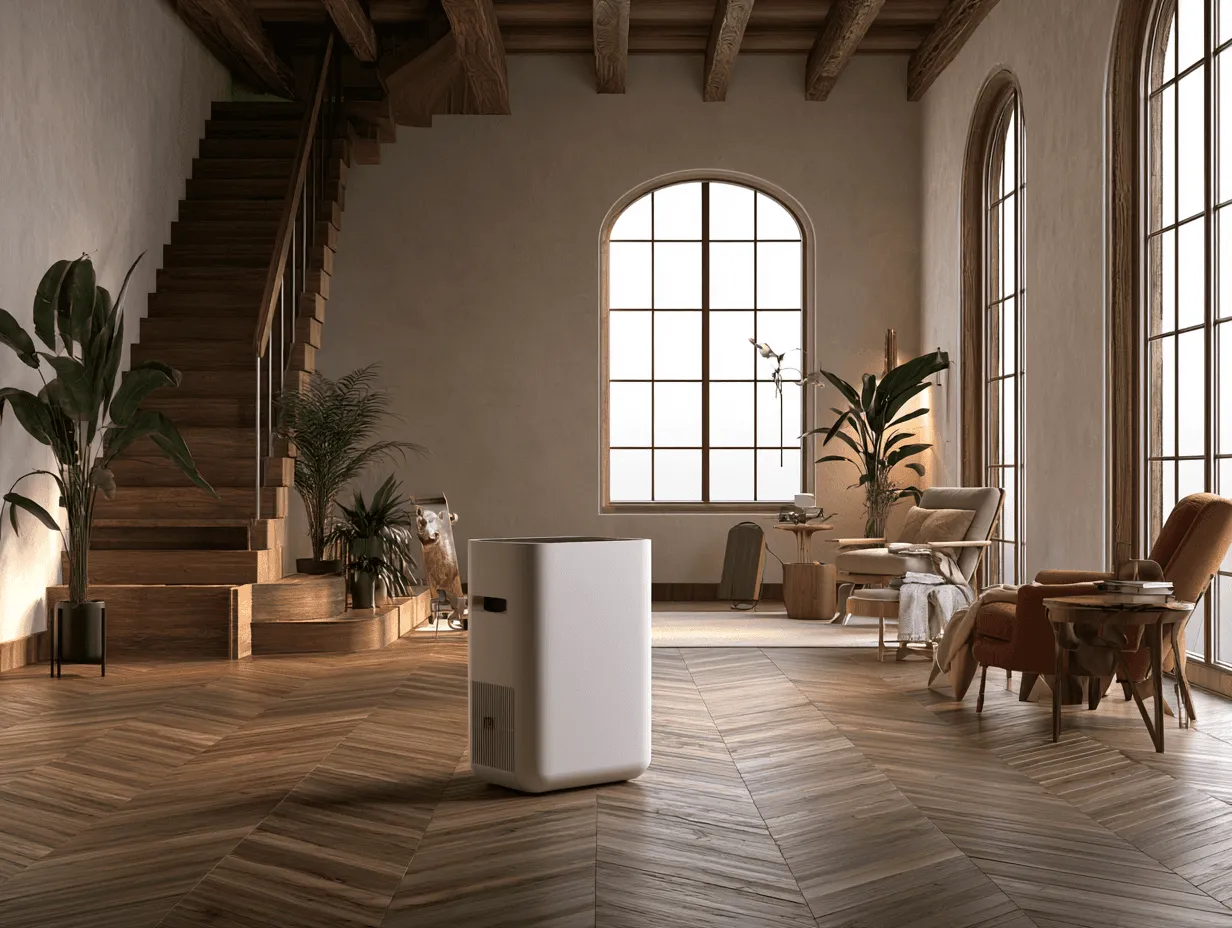
Most people assume the air inside their home is cleaner than the air outside. The data says otherwise. The EPA estimates that indoor air can be two to five times more polluted than outdoor air, and in some cases significantly more. Given that most people spend the majority of their time indoors, the quality of the air in your home has a direct and measurable impact on your health, your sleep, and your daily comfort.
Here is what actually affects indoor air quality and what you can do about it.
Why indoor air quality is worse than most people expect
Outdoor air, for all its reputation, is constantly moving and diluting. Indoor air recirculates. Pollutants that enter your home or are generated inside it tend to accumulate rather than disperse. Modern homes are also significantly more airtight than homes built decades ago, which improves energy efficiency but reduces the natural air exchange that used to flush indoor pollutants out.
The result is that the air in a well-sealed modern home can accumulate meaningful concentrations of particles, gases, and biological contaminants that an older, leakier home would have diluted naturally.
The main categories of indoor air pollutants
Understanding what's in your air starts with understanding what kinds of pollutants are most common in residential environments.
Particulate matter includes dust, pollen, pet dander, mold spores, and fine particles from cooking, candles, and combustion sources. Particles vary significantly in size. Larger particles are captured by standard HVAC filters. Fine particles, which are the ones most likely to reach deep into the lungs, require higher-efficiency filtration to remove effectively.
Volatile organic compounds, commonly called VOCs, are gases emitted by a wide range of household products and materials. Paint, flooring adhesives, furniture, cleaning products, air fresheners, and personal care products all emit VOCs. Some VOCs are harmless at low concentrations. Others, including formaldehyde and benzene, have documented health effects at elevated levels.
Biological contaminants include mold, bacteria, dust mites, and viruses. Mold grows wherever moisture accumulates and organic material is present. Dust mites thrive in bedding, upholstered furniture, and carpeting. These contaminants are present in virtually every home to some degree. The question is whether concentrations are high enough to cause health effects.
Carbon dioxide is produced by occupants breathing and by combustion appliances. In well-ventilated spaces, CO2 levels stay low. In poorly ventilated spaces with high occupancy, CO2 can accumulate to levels that cause fatigue, difficulty concentrating, and headaches. This is a ventilation issue rather than a filtration issue.
Carbon monoxide is produced by combustion appliances including gas furnaces, water heaters, and stoves. It's colorless and odorless and at elevated concentrations is life threatening. Every home with combustion appliances should have working carbon monoxide detectors.
How your HVAC system affects air quality
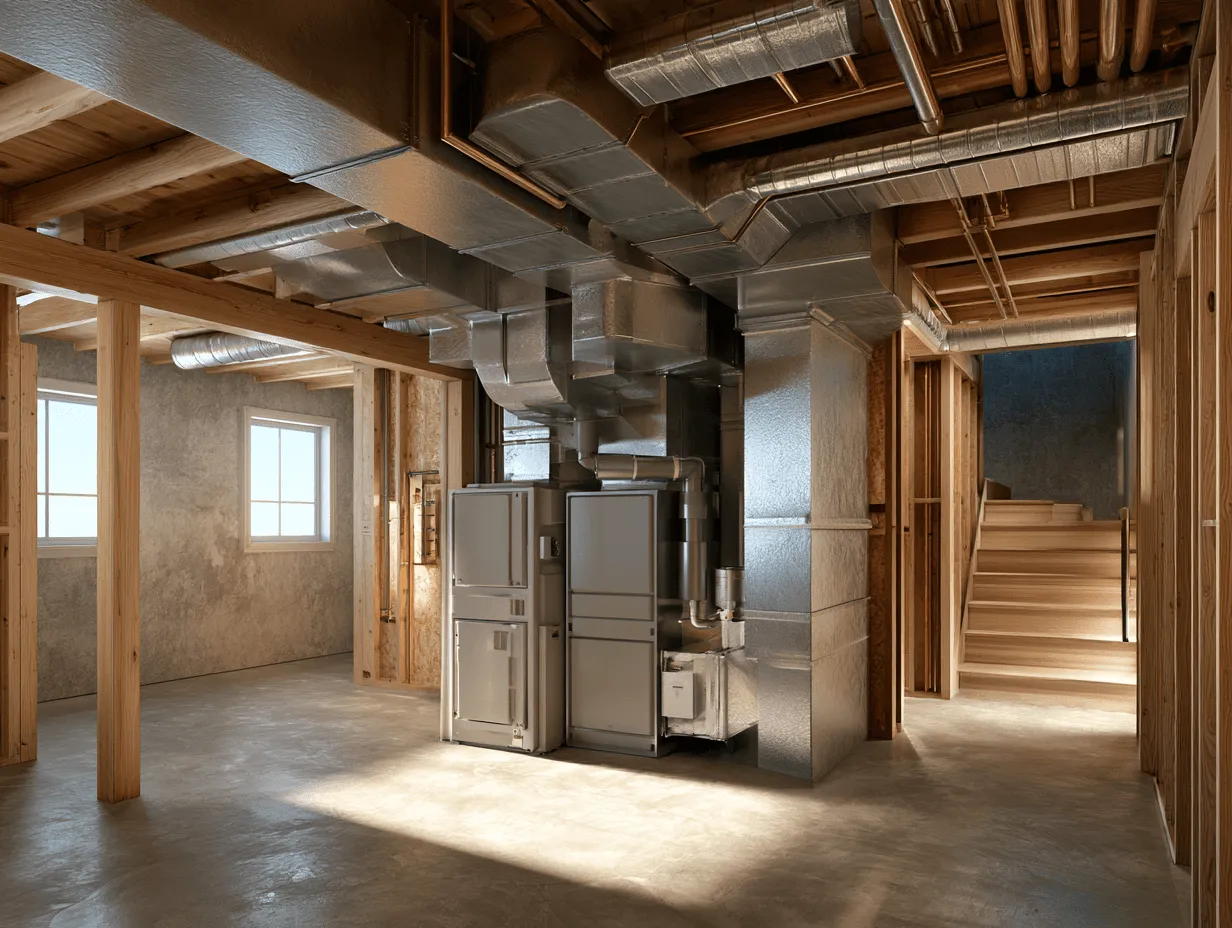
Your HVAC system is directly connected to your indoor air quality because it moves air through your home continuously. A well-maintained system with appropriate filtration removes a meaningful portion of airborne particles on every pass. A poorly maintained system can actually make things worse, distributing accumulated dust and debris from dirty ductwork and coils throughout the living space.
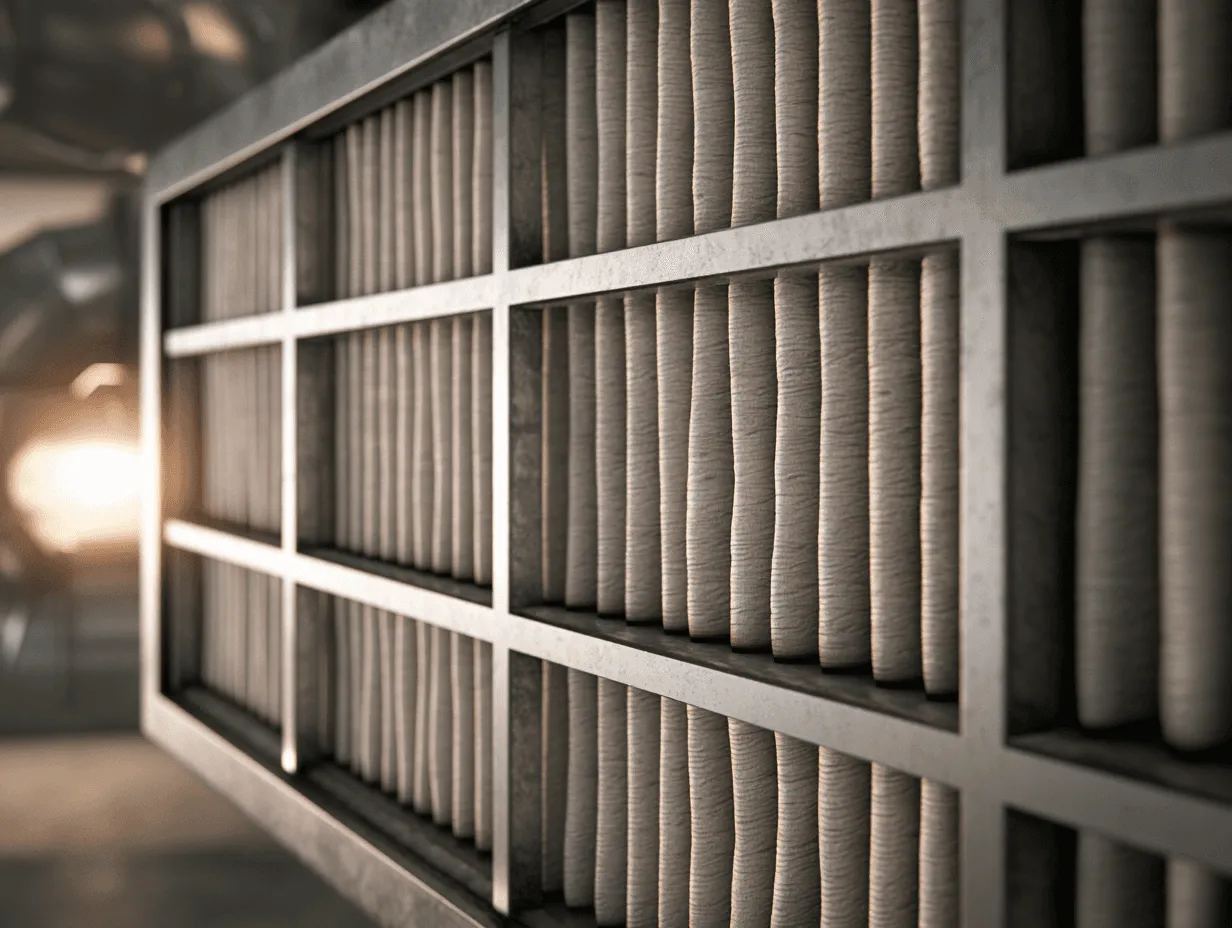
The filter is the first line of defense. Standard fiberglass filters capture large particles and protect the equipment. They do relatively little to improve air quality for the occupants. Pleated filters with a MERV rating in the 8 to 11 range capture a much broader range of particles and provide meaningful air quality benefit without restricting airflow excessively.
What a standard filter does not address
Even a high-quality HVAC filter has limits. It captures particles but does nothing about gases and VOCs. It doesn't address carbon dioxide levels. And it only filters air that's actively moving through the system, which means rooms with poor circulation get less benefit.
For homeowners dealing with specific air quality concerns, particularly allergy or asthma symptoms, persistent odors, or a household member with a respiratory condition, additional solutions beyond the standard filter are often worth considering.
Whole-home air purification
Whole-home air purifiers integrate with your existing HVAC system and treat all the air moving through it. Different technologies target different pollutants.
UV air purifiers use ultraviolet light to neutralize biological contaminants including mold spores, bacteria, and viruses as they pass through the system. They don't remove particles but they reduce the viability of biological pollutants that pass through the filtration stage intact.
Electronic air cleaners use an electrical charge to capture particles that pass through the system, including very fine particles that standard filters miss. They require periodic cleaning but can be significantly more effective than even high-efficiency filters for particle removal.
Media air cleaners use a thick, dense filter media to capture particles across a wide size range. They typically last much longer than standard filters and can achieve high levels of particle removal without the same airflow restriction concerns as high-MERV filters in systems not designed for them.
Humidity control and air quality
Humidity has a significant impact on indoor air quality. Too much humidity encourages mold growth and dust mite proliferation. Too little causes dry air that irritates mucous membranes and makes respiratory symptoms worse. The ideal indoor relative humidity range for both comfort and air quality is between 40 and 55 percent.
In climates with high outdoor humidity, a whole-home dehumidifier integrated with the HVAC system can maintain humidity levels in the healthy range even when the AC isn't running frequently enough to manage moisture on its own. In dry climates or during winter when indoor air tends to dry out significantly, a whole-home humidifier adds moisture to the air and maintains levels in the comfortable range.
Ventilation and fresh air
Filtration and purification treat the air already inside the home. Ventilation addresses the fundamental issue of air exchange, bringing fresh outdoor air in and flushing stale indoor air out.
Most residential HVAC systems recirculate indoor air without introducing meaningful amounts of fresh outdoor air. In a tightly sealed home, this means pollutants that are continuously generated, including CO2, VOCs, and biological contaminants, accumulate over time.
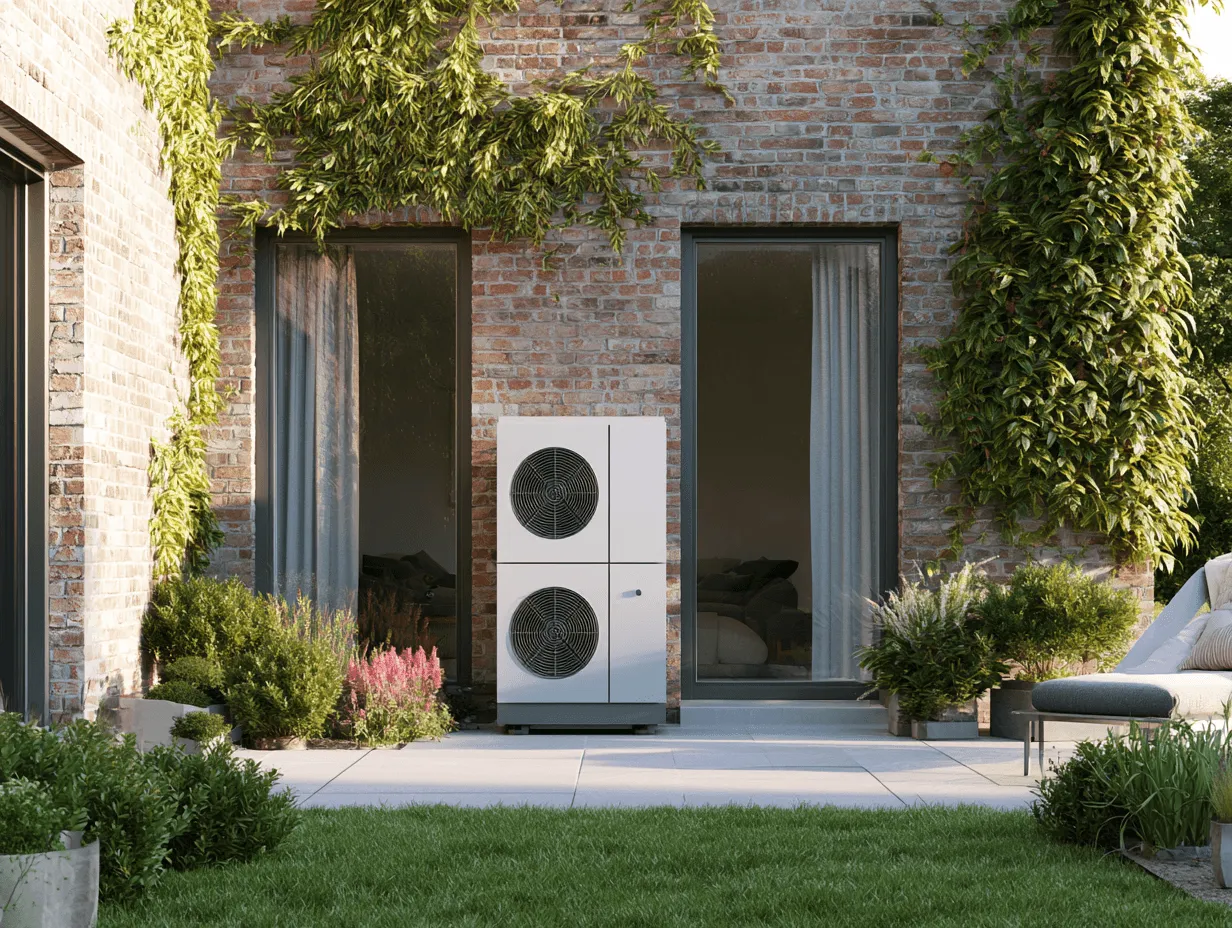
Energy recovery ventilators, commonly called ERVs, provide controlled fresh air exchange while recovering most of the heating or cooling energy from the outgoing air. They're an effective solution for homes where poor ventilation is a contributing factor to air quality issues.
How to assess your indoor air quality
The challenge with indoor air quality is that most pollutants are invisible and many of the health effects are subtle or develop gradually. Symptoms including persistent headaches, fatigue, allergy-like symptoms that improve when you leave the house, and poor sleep that doesn't have another obvious explanation are all worth taking seriously as potential air quality indicators.
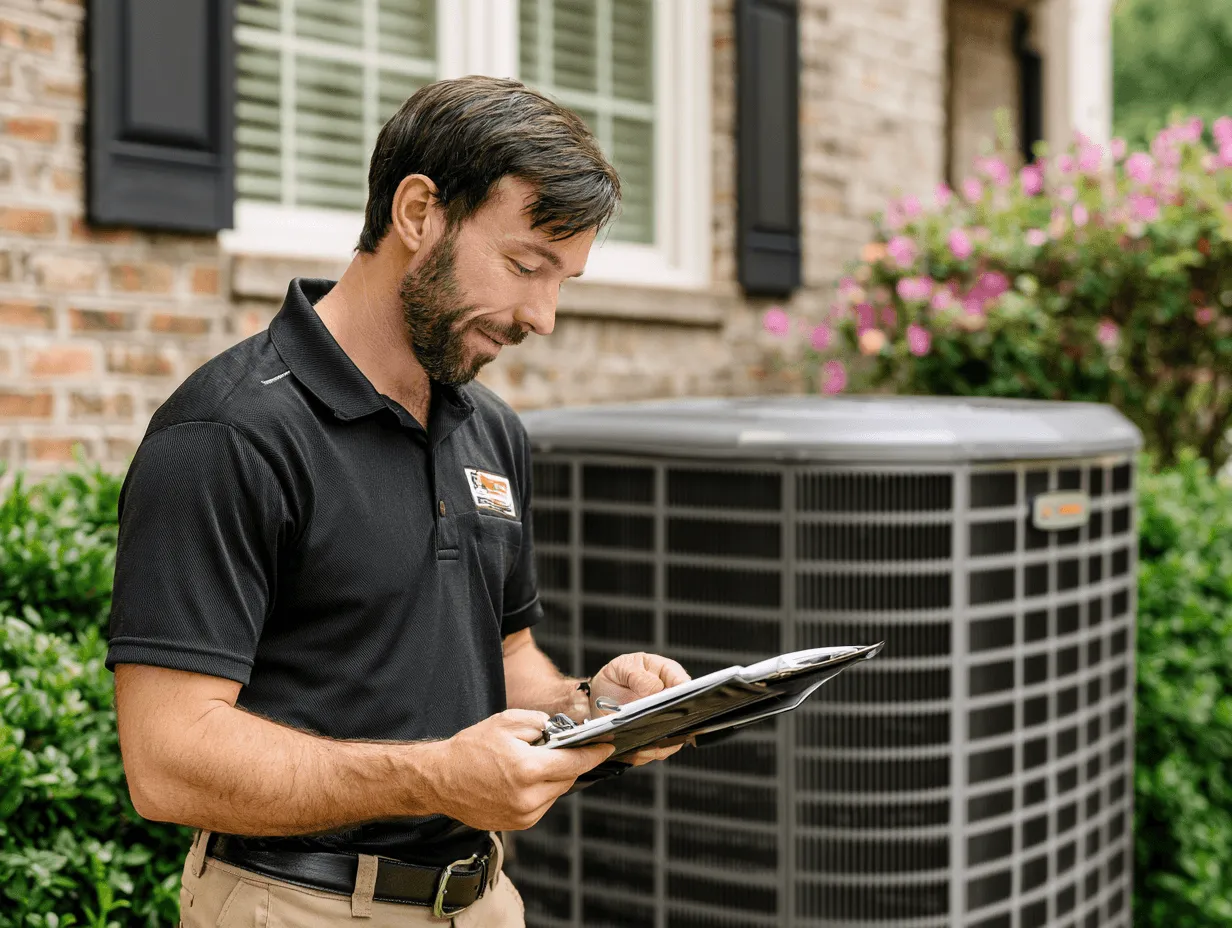
An indoor air quality assessment measures the actual conditions in your home, including particulate levels, humidity, CO2, and in some cases specific VOCs or biological contaminants. It gives you a factual baseline rather than a guess, which makes it much easier to choose solutions that address what's actually present.
At HVAC Pro, we start every air quality conversation with an assessment. We don't recommend products based on what a homeowner thinks might be wrong. We measure what's there, explain what we find, and recommend solutions that address the actual conditions in your home.
The bottom line
Indoor air quality is not an abstract concern. It affects how you feel, how you sleep, and how you perform every day. The good news is that most indoor air quality issues are addressable, and the starting point is understanding what you're actually dealing with. An assessment costs far less than treating symptoms that a relatively simple solution could have prevented.