Is a Ductless Mini-Split Right for Your Home
Mini-split systems are growing in popularity for good reason. Here is how they work, where they make the most sense, and what installation actually involves.

Marcus Reyes

Ductless mini-split systems have gone from a niche product to one of the fastest-growing categories in residential HVAC over the past decade. More homeowners are choosing them, more contractors are installing them, and the technology has matured to the point where they're a genuinely competitive option for a wide range of situations.
But they're not the right answer for every home or every situation. Here is an honest look at how they work, where they make the most sense, and what the installation process actually involves.
How a ductless mini-split works
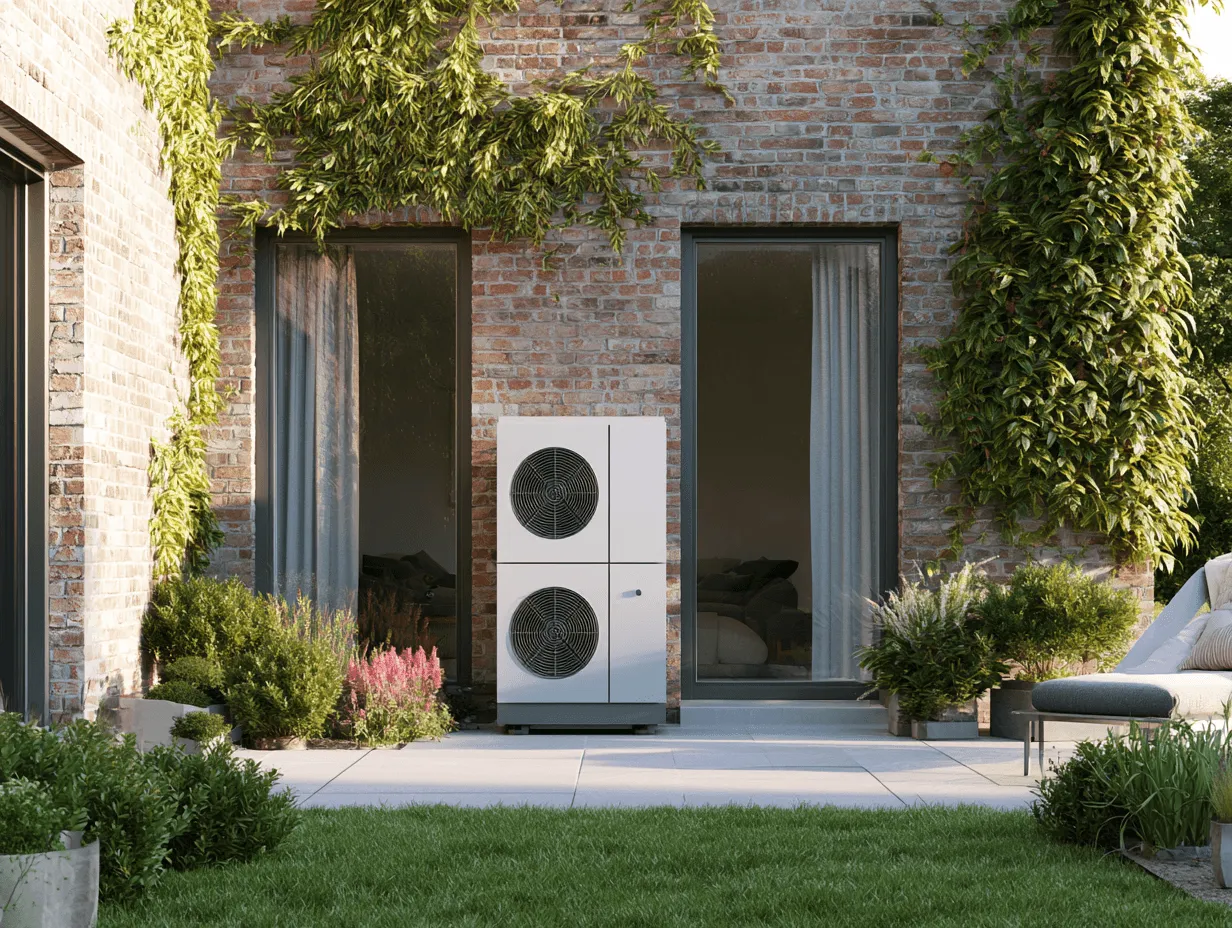
A mini-split system consists of two main components. The outdoor unit houses the compressor and the condenser. One or more indoor air handling units mount on the wall, ceiling, or floor of the space being conditioned. The two components are connected by a refrigerant line set and electrical wiring that runs through a small hole in the wall, typically three inches in diameter.
The indoor unit delivers conditioned air directly to the space. There is no ductwork involved. Each indoor unit has its own controls and can be set to a different temperature independently, which is the foundation of the zoning benefit that makes mini-splits attractive for many homeowners.
Modern mini-split systems operate as heat pumps, meaning they provide both heating and cooling from a single system. In cooling mode they extract heat from indoor air and reject it outside. In heating mode they reverse the process, extracting heat from outdoor air and bringing it inside. This makes them a year-round solution rather than a supplemental system.
Where mini-splits make the most sense
The situations where a mini-split is clearly the right choice tend to have one thing in common: ductwork is either absent, inadequate, or impractical.
Room additions are the most common example. When you add a sunroom, a finished basement, a garage apartment, or any living space to a home, extending the existing duct system to cover it is often expensive, disruptive, and difficult to do without compromising airflow throughout the rest of the house. A mini-split handles the new space independently without touching the existing system.
Older homes without ductwork are another strong candidate. Many homes built before central air conditioning was standard were never fitted with ductwork, or have ductwork for heating only with no provision for cooling. Installing a full ducted system in these homes is a major renovation project. Mini-splits provide whole-home comfort without requiring the walls and ceilings to be opened up.
Spaces with persistent comfort problems are a third common application. If one room in your home is always too hot or too cold despite adjustments to the main system, a single-zone mini-split targeted at that space solves the problem directly rather than trying to balance a system that may be fundamentally limited in its ability to serve that area.
Converted spaces including attics, garages, and bonus rooms often fall into this category as well. These spaces typically have poor insulation, significant heat gain or loss, and limited access from the existing duct system.
The zoning advantage
One of the most appealing features of multi-zone mini-split systems is the ability to condition different areas of the home independently. With a traditional ducted system, the whole house operates on one thermostat, or at best on a zone system that divides the home into a few large zones. With a multi-zone mini-split, each indoor unit has its own controls.
This means the bedroom being used can be set differently from the living room, rooms that aren't occupied don't need to be conditioned at the same level as rooms that are, and household members with different temperature preferences can each have their space set the way they want it.
The efficiency implication of this is meaningful. You're not conditioning spaces you don't need to condition at full capacity, which reduces energy consumption compared to a system that treats the whole house as one zone.
The efficiency case
Mini-split systems are among the most energy-efficient heating and cooling options available for residential use. Because there's no ductwork, there's no duct loss. Research from the Department of Energy suggests that duct systems in typical homes lose 20 to 30 percent of conditioned air through leaks and poor insulation before it reaches the living space. Mini-splits deliver conditioned air directly to the room, which means that loss doesn't exist.
The compressor technology used in most modern mini-split systems is also highly efficient. Variable-speed compressors adjust their output to match the actual demand of the space rather than cycling on and off at full capacity. This keeps the space at a consistent temperature, reduces energy consumption, and extends the life of the compressor.
Cold weather performance
The most common concern about mini-split heat pumps is how they perform in cold weather. This was a legitimate limitation of older technology. Traditional heat pumps lost efficiency rapidly below freezing and were largely ineffective in very cold climates.
Modern cold-climate mini-split systems have addressed this substantially. Leading manufacturers now offer systems rated to maintain meaningful heating output at outdoor temperatures as low as negative 15 to negative 25 degrees Fahrenheit. For most of the continental United States, including areas that experience genuine winter cold, current technology performs reliably throughout the heating season.
If you're in a climate with extended periods of extreme cold, this is worth discussing specifically with your technician. The right system selection matters, and not all mini-splits are rated for the same minimum operating temperature.
What installation actually involves
A single-zone mini-split installation is one of the less disruptive HVAC projects a homeowner can undertake. The process involves mounting the outdoor unit on a pad or wall bracket, mounting the indoor unit in the chosen location, running the refrigerant line set and electrical wiring through the wall between them, connecting and testing the system, and walking the homeowner through operation.
For a straightforward single-zone installation in a typical residential space, the work is usually completed in one day. There's no major demolition, no ductwork modification, and no disruption to the rest of the house.
Multi-zone installations are more involved because each additional indoor unit requires its own line set run back to the outdoor unit, and the outdoor unit itself is larger to handle the combined capacity of multiple indoor units. In a home where the indoor units are spread across multiple floors or distant rooms, running the line sets neatly and minimally invasively requires planning and skill. The quality of the installation matters significantly for both aesthetics and long-term performance.
What a mini-split does not do well
Mini-splits are not the right answer for every situation. In a home that already has a well-functioning ducted system that covers the whole house effectively, replacing it with mini-splits is rarely the most cost-effective path. The equipment cost and installation labor for a whole-home multi-zone mini-split system can be significant, and the existing duct system, if it's in good condition, represents infrastructure that's already paid for.
Mini-splits also require that each indoor unit be mounted somewhere in the conditioned space. In rooms where wall, ceiling, and floor mounting options are all constrained by furniture placement, architectural features, or aesthetic concerns, finding an acceptable location for the indoor unit can be a challenge.
Maintenance is also a consideration. Each indoor unit has a filter that needs to be cleaned regularly, typically every two to four weeks in active use. This is simple and takes a few minutes, but it's more frequent than filter replacement in a ducted system and requires accessing the indoor unit physically.
How to decide if a mini-split is right for your situation
The clearest signal that a mini-split is worth considering is a space that needs conditioning and doesn't have a practical path to ductwork. From there, the decision comes down to how many zones you need, what your efficiency priorities are, and what the total installed cost looks like compared to alternatives.
A load calculation for the space and an honest conversation with a technician who has experience with both ducted and ductless systems will give you a clear picture. The goal is the right system for your specific situation, not the newest technology for its own sake.