How to Prepare Your Heating System for Winter
A little preparation in the fall goes a long way when temperatures drop. Here is what to check before you turn the heat on for the first time.

Marcus Reyes
The worst time to find out your heating system has a problem is the first cold night of the season. By then, every HVAC company in the area is fielding emergency calls, parts that weren't ordered in advance are on backorder, and you're waiting longer than you should in a house that's colder than it needs to be.
Preparing your heating system before winter arrives is straightforward, doesn't take much time, and pays for itself the first time it prevents an emergency call. Here is what to do and when to do it.
Start in early fall, before you actually need the heat
The ideal window for heating system preparation is September through October, depending on your climate. The system isn't in active use yet, technicians have more availability than they will once cold weather hits, and if something needs to be repaired or replaced, you have time to handle it without the pressure of a cold house driving the decision.
Waiting until November or December to think about your heating system is a common mistake. By then you're competing with everyone else who waited.
Turn the system on and pay attention
Before you do anything else, turn your heating system on and let it run for a full cycle. This is the fastest way to identify obvious problems before cold weather makes them urgent.
Listen for sounds that weren't there last year. A furnace that bangs, rattles, squeals, or makes any sound that's new or unfamiliar is telling you something. Smell the air coming from the vents. A slight dusty smell when the heat first comes on is normal as dust burns off surfaces that haven't been heated in months. A persistent burning smell, a chemical smell, or any smell that doesn't clear after a few minutes warrants a call to a technician.
Check whether the system is reaching the set temperature in a reasonable amount of time. If it's running continuously without getting there, something is limiting its output.
Replace the filter
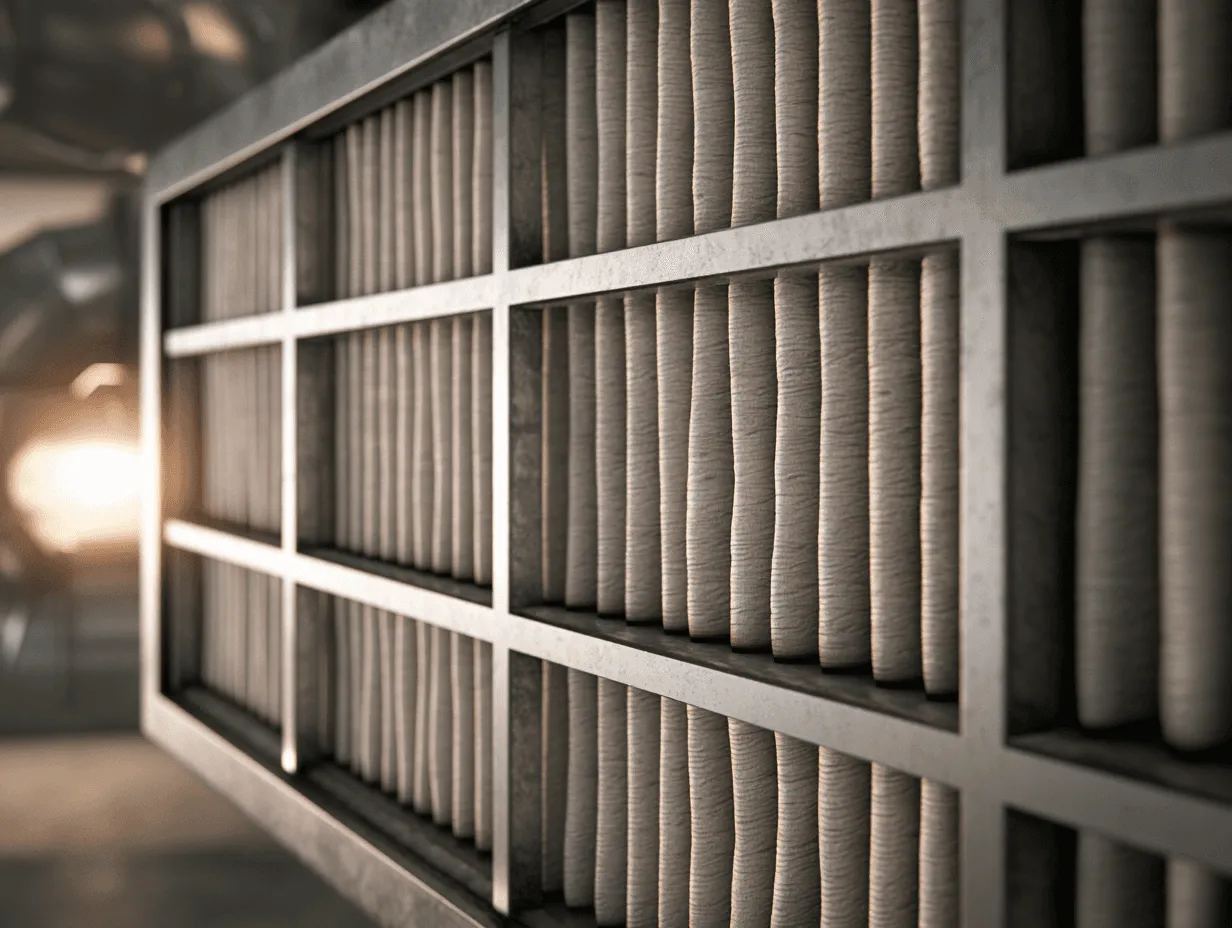
If you haven't replaced the air filter since the cooling season, replace it now. A clean filter at the start of the heating season ensures the system has adequate airflow from day one and gives you a baseline to work from through the winter.
Write the date on the new filter so you know when it was last replaced. Plan to check it every 30 days and replace it when it's visibly grey or when airflow feels reduced.
Check and clear the area around the furnace
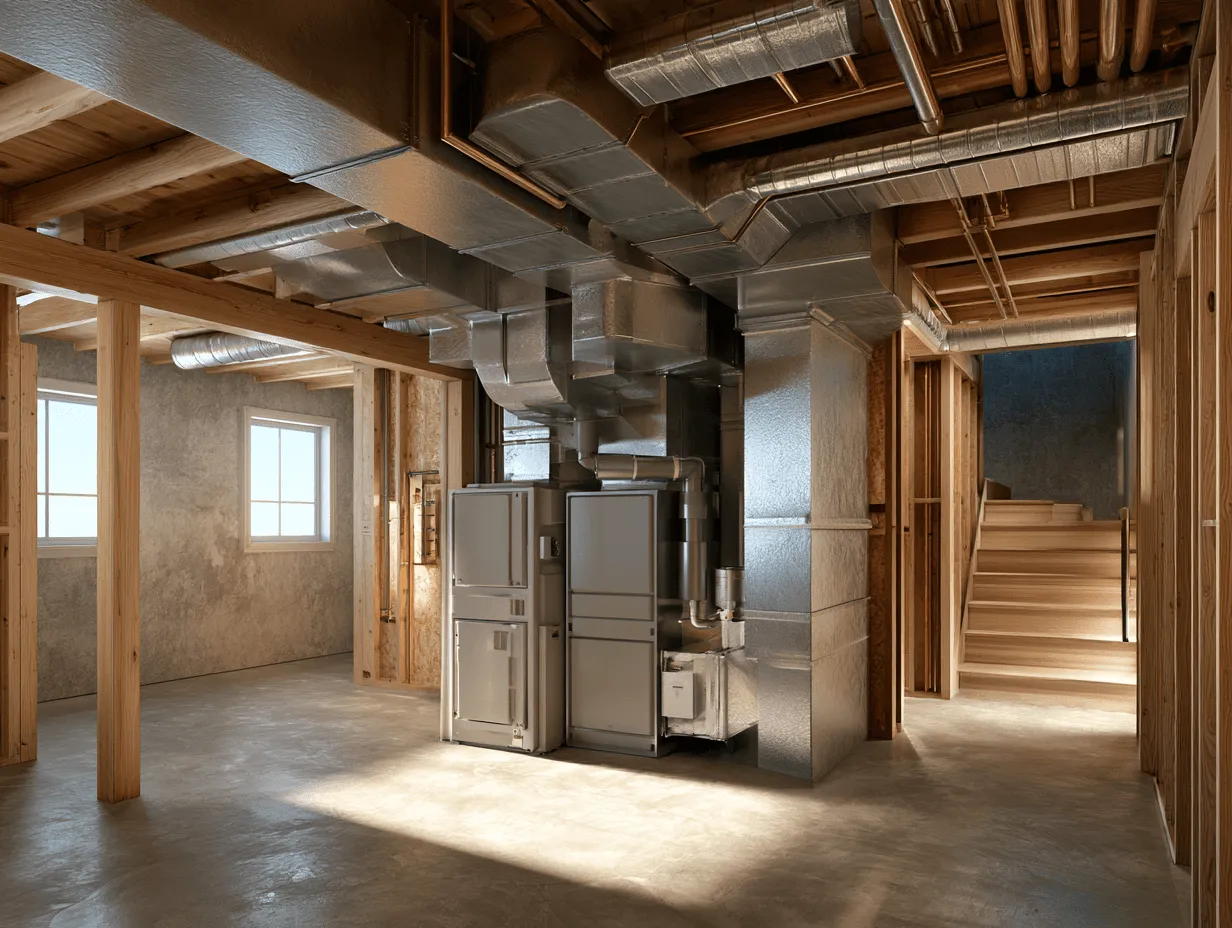
The space around your furnace should be clear of stored items, flammable materials, and anything that could obstruct airflow or create a fire hazard. Furnace rooms and mechanical closets often accumulate things over the summer. Clear everything out and make sure there's adequate clearance around the unit.
Check that the furnace has an unobstructed path to its combustion air source. Gas furnaces need air to burn fuel properly, and a restricted combustion air supply can cause incomplete combustion and efficiency loss.
Inspect the flue and venting
The flue is the pipe that exhausts combustion gases from your furnace to the outside. Check the visible portions of the flue pipe for any signs of damage, separation at the joints, or corrosion. A compromised flue is a safety issue because it can allow combustion gases including carbon monoxide to enter the living space.
If your furnace vents through PVC pipe rather than metal, check the pipe runs for any obvious damage or disconnection. High-efficiency furnaces produce condensate, so also check that the condensate drain is clear and that water is flowing freely.
Test your carbon monoxide detectors
Carbon monoxide is produced by combustion appliances including gas furnaces. It's colorless, odorless, and at elevated concentrations it's life threatening. Every home with a gas furnace should have working carbon monoxide detectors on every level and outside every sleeping area.
Test all detectors before heating season starts. Replace the batteries if they haven't been replaced in the past year. If your detectors are more than seven to ten years old, replace them. The sensors in CO detectors degrade over time and an old detector may not respond reliably to elevated CO levels.
Bleed the radiators if you have a hot water system
If your home is heated by a hot water boiler and radiator system rather than forced air, air can accumulate in the radiators over the off-season and prevent them from heating fully. Bleeding the radiators releases trapped air and restores full heat output.
Turn the system on and let it come up to temperature. Starting with the radiators farthest from the boiler, use a radiator key to open the bleed valve slightly. Hold a cloth under the valve. When water starts to flow consistently without air sputtering out, close the valve. Work your way through each radiator in the system. Check the boiler pressure after bleeding and add water if needed to bring it back to the normal operating range.
Schedule a professional maintenance visit
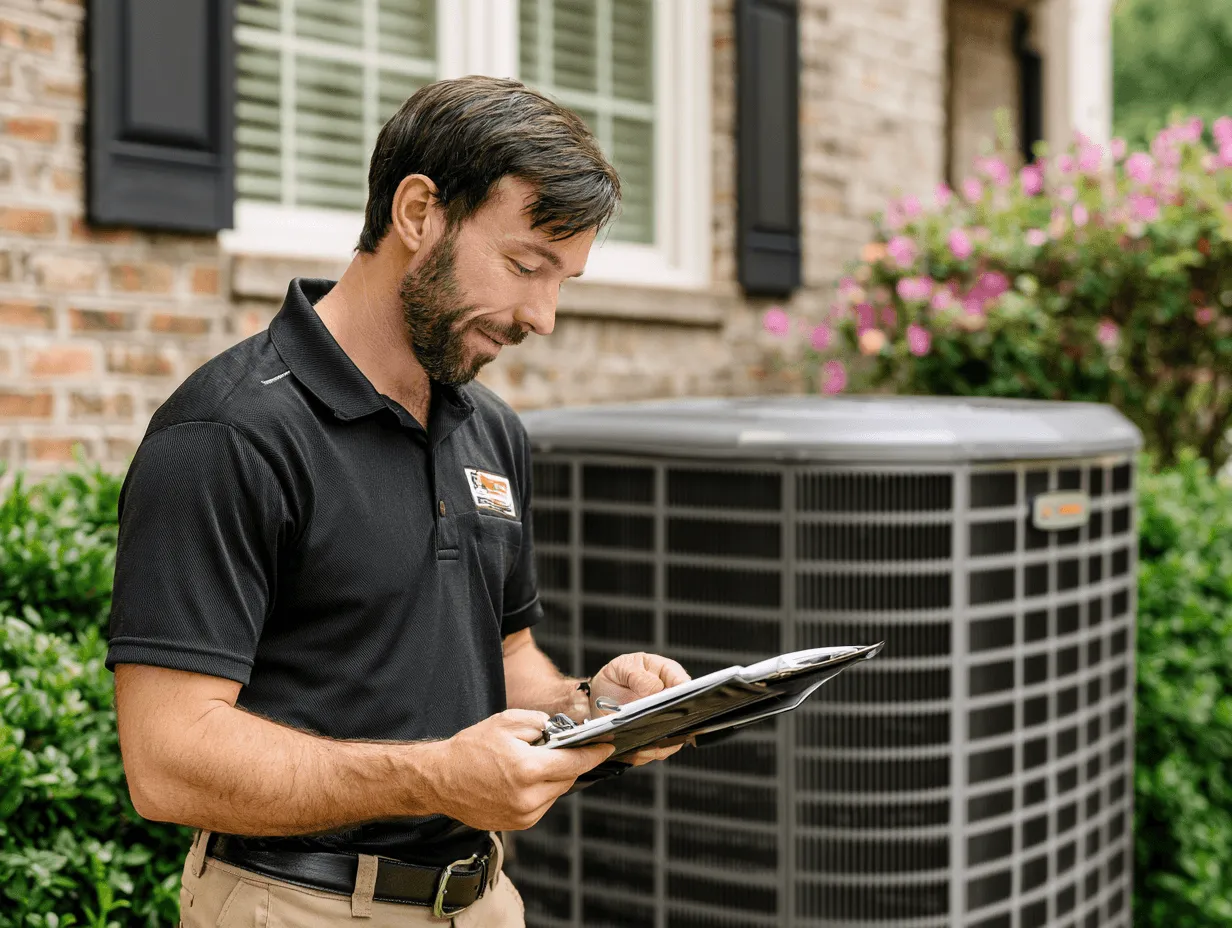
The steps above are things any homeowner can do. What they don't replace is a professional inspection and tune-up by a qualified technician.
A technician will inspect the heat exchanger for cracks, test the igniter and flame sensor, check refrigerant levels on heat pump systems, verify electrical connections, measure combustion efficiency on gas systems, inspect the blower motor and belt, clear the condensate drain on high-efficiency systems, and run a complete operational test. These checks catch the things a homeowner can't see and confirm that the system is operating safely and efficiently.
Schedule this visit in early fall if possible. Technician availability is highest before cold weather arrives and drops significantly once the heating season is underway.
Check your thermostat settings
Switch the thermostat from cooling to heating mode and verify that it's responding correctly. If you have a programmable or smart thermostat, review your schedule settings and update them for the heating season. A schedule that was optimized for summer cooling patterns may not be right for winter heating.
If your thermostat is old, non-programmable, or not responding accurately, this is a good time to consider an upgrade. A smart thermostat pays for itself relatively quickly through improved efficiency and is a straightforward installation for a technician to handle during a maintenance visit.
Know where your emergency shutoff is
Every gas furnace has an emergency shutoff switch, typically located near the unit and often resembling a standard light switch. Know where it is and make sure everyone in the household knows where it is. If you ever smell gas or suspect a problem with the furnace, you want to be able to shut it off immediately without having to look for the switch.
Know where the gas shutoff is at the meter as well, and make sure it's accessible and operable.
The bottom line
Preparing your heating system for winter is not a complex process. It takes a few hours of your time and one professional maintenance visit scheduled at the right time of year. The payoff is a system that performs reliably when you need it, an energy bill that reflects efficient operation, and the peace of mind that comes from knowing you're not one cold night away from an emergency call.
If your system is older and showing signs of wear, fall is also the right time to have an honest conversation with a technician about whether continued repair makes more sense than replacement. Planning a replacement in fall means doing it on your terms, with time to choose the right system and schedule the installation without pressure.