Improve Energy Efficiency Without Replacing Your System
You don't always need a new system to lower your energy bills. Here are the most effective ways to improve efficiency with what you already have.

Jordan Ellis

A new HVAC system is one of the most effective ways to reduce energy costs. It's also a significant investment that not every homeowner is ready to make. The good news is that a well-maintained, properly tuned existing system can perform significantly better than a neglected one, and there are meaningful efficiency gains available without spending anywhere near what a replacement costs.
Here is what actually moves the needle on efficiency when replacement isn't the right move yet.
Start with a professional tune-up
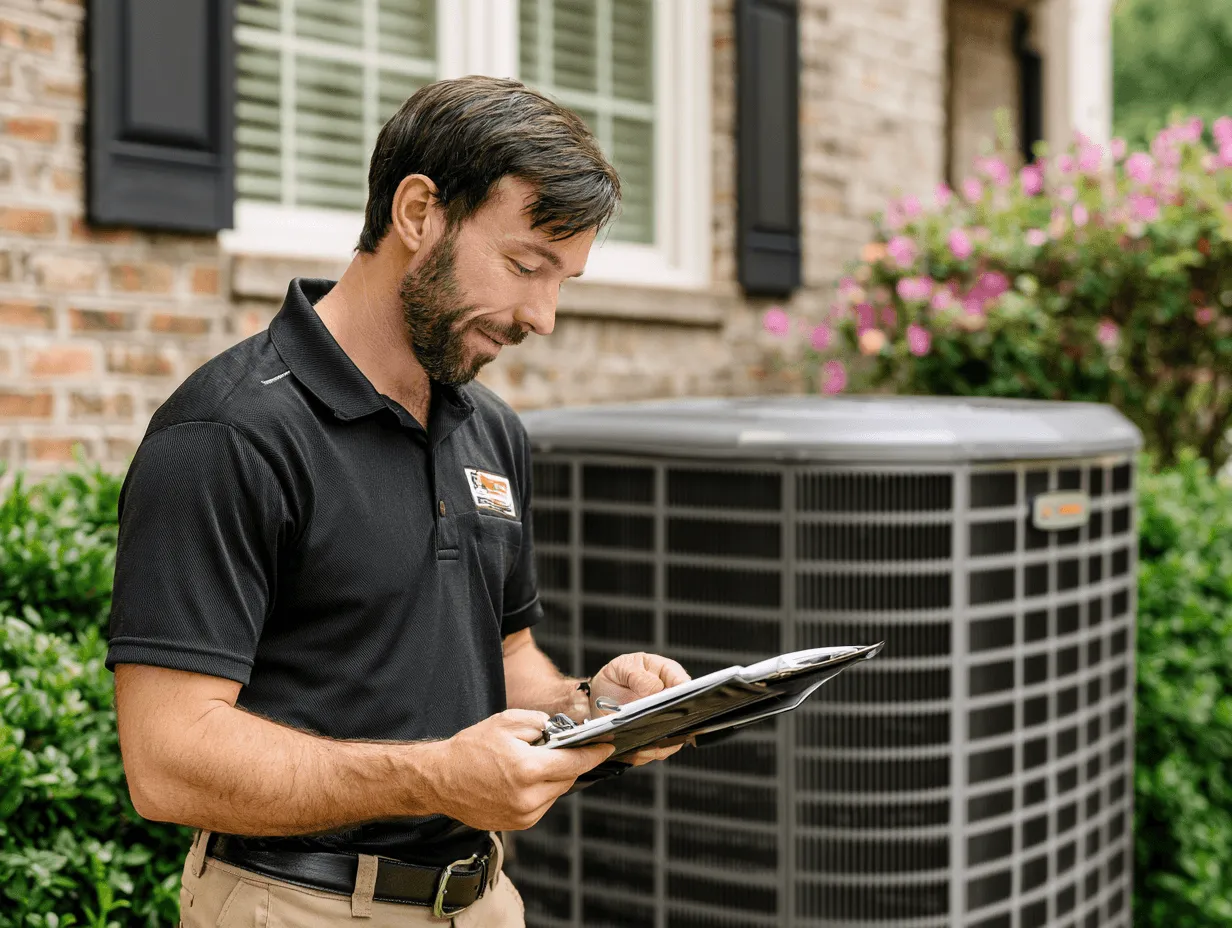
The single highest-return efficiency improvement for most HVAC systems is a professional maintenance visit. A system that hasn't been serviced recently is almost certainly operating below its rated efficiency. Dirty coils, low refrigerant, restricted airflow, and worn components all reduce efficiency in ways that accumulate quietly over time.
A technician who cleans the coils, verifies refrigerant charge, checks electrical connections, and confirms airflow is adequate can recover a meaningful portion of the efficiency the system has lost through normal wear and deferred maintenance. This is the foundation everything else builds on. Improving the efficiency of a system that's already running in a degraded state gives you less return on every other investment you make.
Replace the filter and stay on top of it
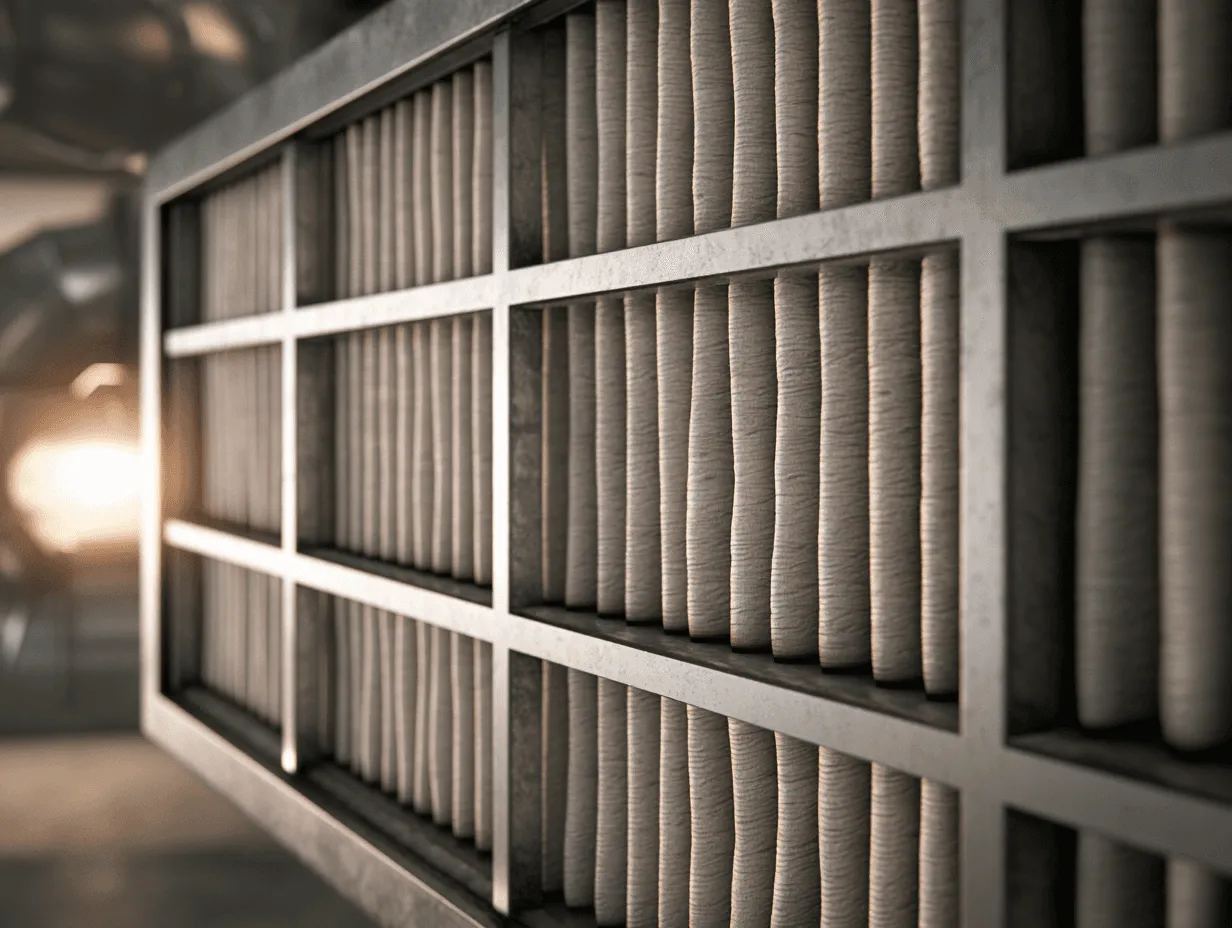
A clogged air filter is the most common and most overlooked efficiency problem in residential HVAC. It restricts airflow, forces the blower to work harder, reduces the amount of air moving across the coils, and makes the system work longer to achieve the same result.
The fix costs a few dollars and takes two minutes. The efficiency impact of a clean filter versus a clogged one can be significant, particularly in systems that haven't had a filter change in several months. Set a reminder and check the filter monthly. Replace it when it's visibly dirty regardless of how long it's been in place.
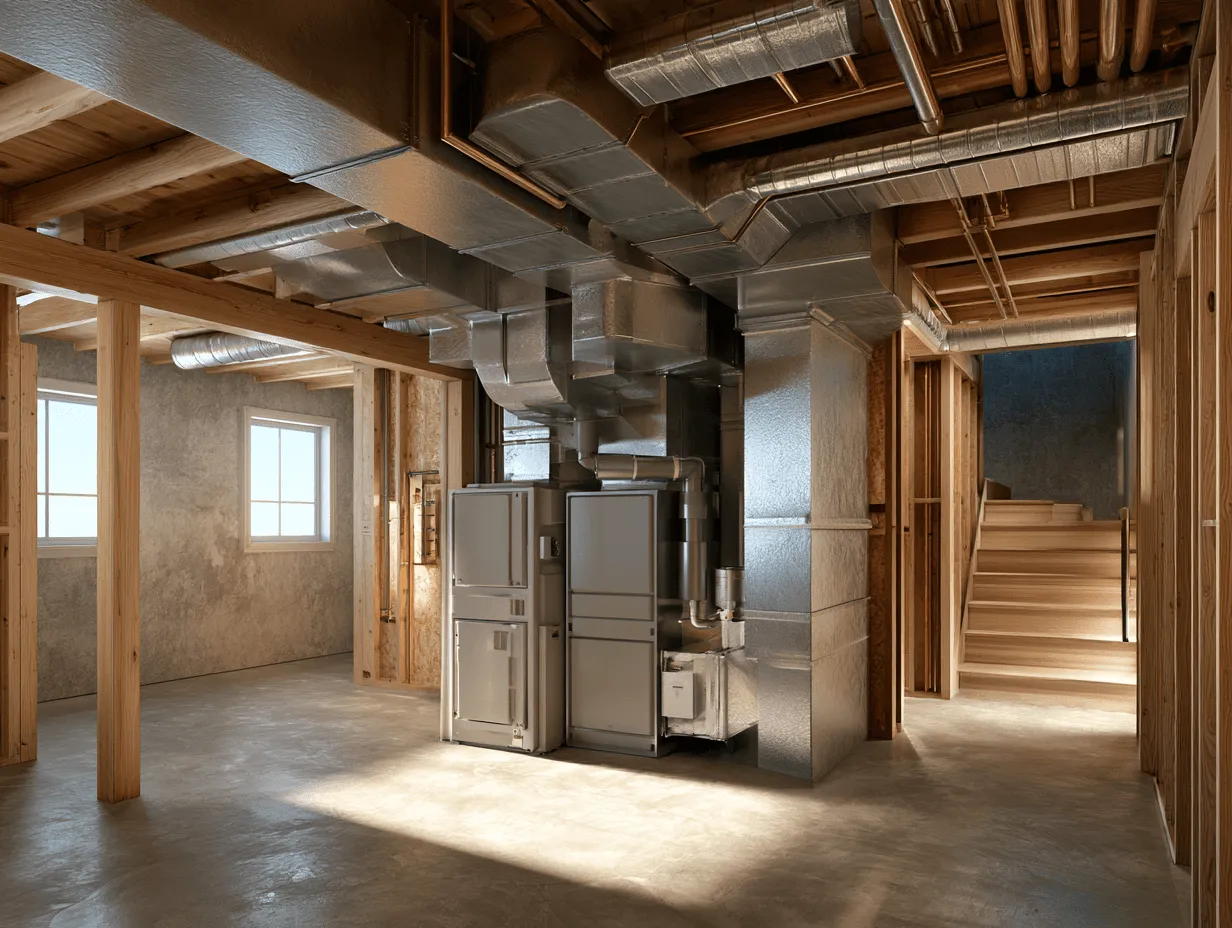
Seal your duct system
Research from the Department of Energy consistently shows that duct leakage is responsible for 20 to 30 percent of conditioned air loss in typical homes. That's air your system is conditioning and paying for that never reaches the living space. It leaks into attics, crawl spaces, wall cavities, and mechanical rooms instead.
Duct sealing is one of the highest-return efficiency improvements available for homes with existing duct systems. The work involves identifying leaks, typically through a pressure test, and sealing them with mastic sealant or metal-backed tape applied at joints, connections, and any point where the duct system has gaps.
This is work a technician can perform and the efficiency gains are measurable. In homes with significant duct leakage, the payback period on duct sealing is often very short.
Improve attic insulation
Your attic is where a significant amount of heating and cooling energy escapes in most homes. Heat moves toward cooler spaces, which means in summer your attic is absorbing heat from the sun and pushing it down into the living space, and in winter your heated air is migrating up through the ceiling and out through the attic.
The Department of Energy recommends R-38 to R-60 insulation in attics for most climate zones. Many homes, particularly older ones, have far less than this. Bringing attic insulation up to current standards reduces the heating and cooling load on your system, which means it runs shorter cycles to maintain the same temperature.
This directly translates to lower energy bills and less wear on the system. Attic insulation improvement combined with air sealing at the ceiling plane is consistently one of the highest-return energy efficiency investments available to homeowners.
Seal air leaks in the building envelope
Beyond the duct system, the home itself may be leaking conditioned air. Gaps around windows and doors, unsealed penetrations where pipes and wires enter the building, poorly sealed attic hatches, and recessed light fixtures that open into the attic all allow conditioned air to escape and unconditioned outdoor air to infiltrate.
Sealing these gaps improves efficiency by reducing the infiltration load on the HVAC system. It also improves comfort by eliminating drafts and reducing the humidity issues that come with unconditioned outdoor air mixing with conditioned indoor air.
Weatherstripping around doors and windows is inexpensive and straightforward for a homeowner to handle. Sealing attic penetrations and recessed fixtures requires more work but delivers meaningful results, particularly in older homes where these gaps have never been addressed.
Upgrade to a smart thermostat
A smart thermostat doesn't make your HVAC system more efficient in a mechanical sense. It makes it smarter about when it runs. The efficiency gains come from running the system less when you don't need it.
A basic programmable thermostat that sets back the temperature when the house is empty or when you're sleeping can reduce heating and cooling energy use by 10 percent or more. A smart thermostat that learns your schedule, detects occupancy, and adjusts automatically can deliver similar or greater savings without requiring you to manage a programming schedule.
The payback period on a smart thermostat is typically one to two years based on energy savings alone. Installation is straightforward for a technician and can be done in an hour alongside a maintenance visit.
Address windows that are a significant source of heat gain or loss
Windows are the weakest point in most building envelopes from a thermal standpoint. Single-pane windows and older double-pane windows with failed seals allow significant heat transfer in both directions. In summer, west and south-facing windows can add substantial cooling load. In winter, poorly insulated windows are a significant source of heat loss.
Full window replacement is a major expense that doesn't always have a short payback period from energy savings alone. More cost-effective interim measures include interior window film that reduces solar heat gain, insulating cellular shades that improve thermal performance at night and during cold weather, and exterior shading including awnings and plantings that reduce summer sun exposure on west and south-facing glass.
These measures reduce the load on your HVAC system and improve comfort near windows without the cost of replacement.
Use ceiling fans strategically
Ceiling fans don't change the temperature of a room. They change how the temperature feels by creating air movement that accelerates evaporative cooling on skin. The perceived temperature in a room with a ceiling fan running can feel several degrees cooler than the actual air temperature, which allows you to set the thermostat higher without sacrificing comfort.
In summer, fans should run counterclockwise when viewed from below to create a downward airflow. In winter, running fans clockwise at low speed pushes warm air that has risen to the ceiling back down along the walls, which can reduce heating demand in rooms with high ceilings.
The energy used by a ceiling fan is a small fraction of what an HVAC system uses. Any reduction in HVAC runtime that ceiling fan use enables represents a net efficiency gain.
Have your refrigerant charge verified
Refrigerant level has a direct impact on system efficiency. A system that's running with slightly low refrigerant, which is common in systems with slow leaks that haven't been caught, operates less efficiently and puts additional stress on the compressor.
This isn't something a homeowner can check or adjust. It requires a technician with the proper equipment and EPA certification to handle refrigerants. But if your system hasn't had a refrigerant check recently, having it verified as part of a maintenance visit is worthwhile. A system that's slightly low and gets recharged after the leak is repaired often shows a noticeable improvement in both cooling performance and energy consumption.
The combined effect
None of these improvements alone will transform your energy bills dramatically. Combined, they can. A system that's been tuned up, has a clean filter, is moving air through sealed ducts into a well-insulated home with sealed air leaks, controlled by a smart thermostat, is going to run shorter cycles, consume less energy, and last longer than the same system operating without any of those improvements.
The sequence matters too. Start with the maintenance visit and the filter. Then address duct sealing and insulation if the system is moving air inefficiently through a leaky envelope. Then layer in thermostat upgrades and the smaller behavioral changes. Each step builds on the one before it.
If you're not sure where your biggest efficiency opportunities are, an energy audit or an HVAC assessment from a technician who looks at the full picture rather than just the equipment is a good starting point. The goal is to spend money where it actually makes a measurable difference for your specific home.