7 Signs Your AC Needs Repair Before Summer Hits
Don't wait for a breakdown on the hottest day of the year. These are the warning signs that your AC needs attention before summer arrives.

Jordan Ellis
Summer arrives fast. One week the temperatures are manageable and the next you're reaching for the thermostat and realizing the system isn't keeping up. The worst time to discover an AC problem is in the middle of a heat wave when every HVAC company in the area is booked out and parts are on backorder.
The good news is that most AC failures give you warning. The signs are easy to miss if you're not looking for them, but they're almost always there. Here is what to watch for before summer arrives.
The system is blowing warm or lukewarm air
This one is obvious when it's bad but easy to dismiss when it's subtle. If the air coming from your vents is noticeably less cool than it used to be, or if the system runs for a long time before the space reaches the set temperature, something is off. The most common causes are low refrigerant from a slow leak, a dirty evaporator coil reducing heat transfer efficiency, or a compressor that's starting to lose capacity. None of these resolve on their own.
Airflow from the vents is weak
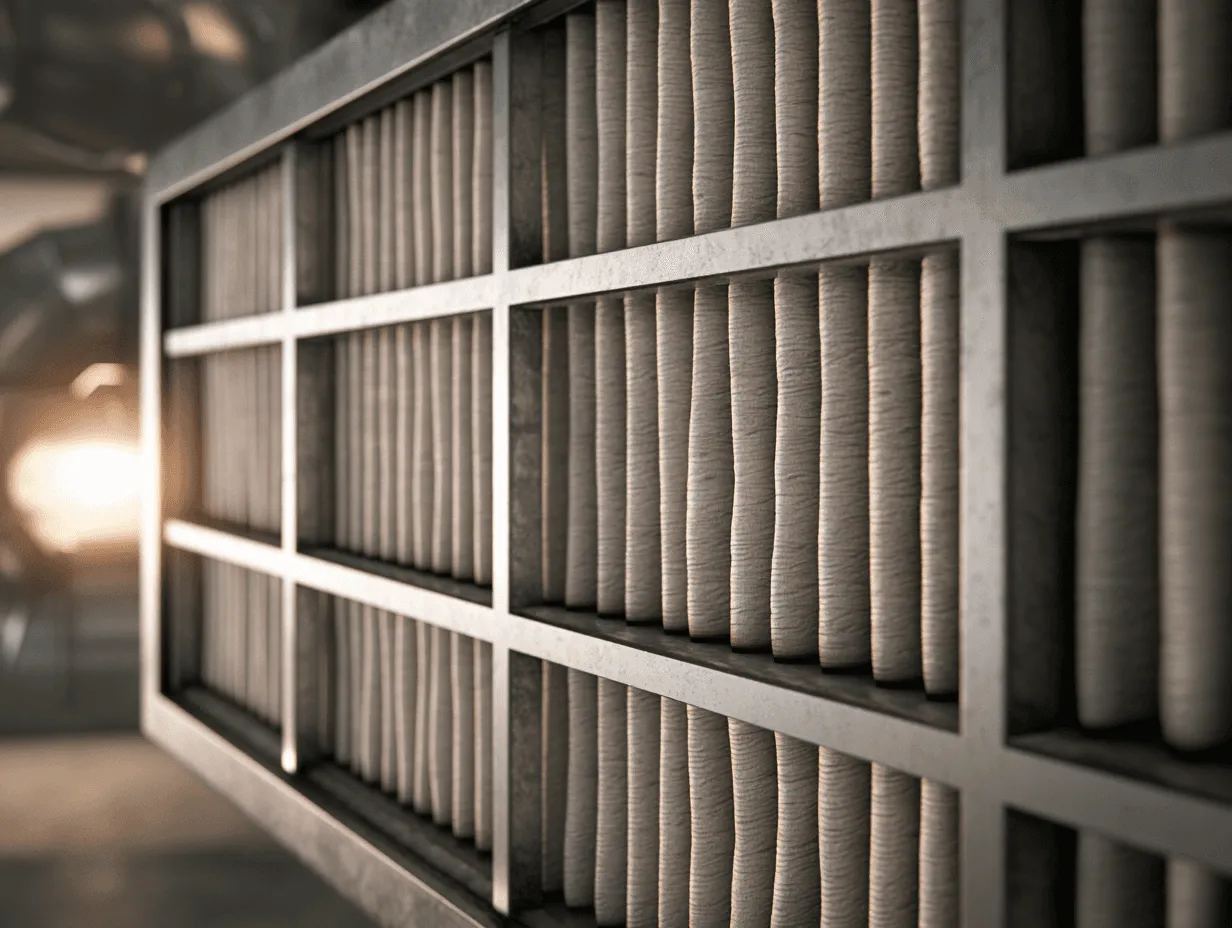
If the air coming out of the vents feels lighter than usual, the system is moving less air than it should. Reduced airflow is typically caused by a clogged filter, a failing blower motor, or duct leaks that are losing conditioned air before it reaches the living space. A clogged filter is a quick fix. A failing blower motor is not, and catching it before it fails completely means replacing it on your schedule rather than on the hottest day of the year.
The outdoor unit is making unfamiliar noises
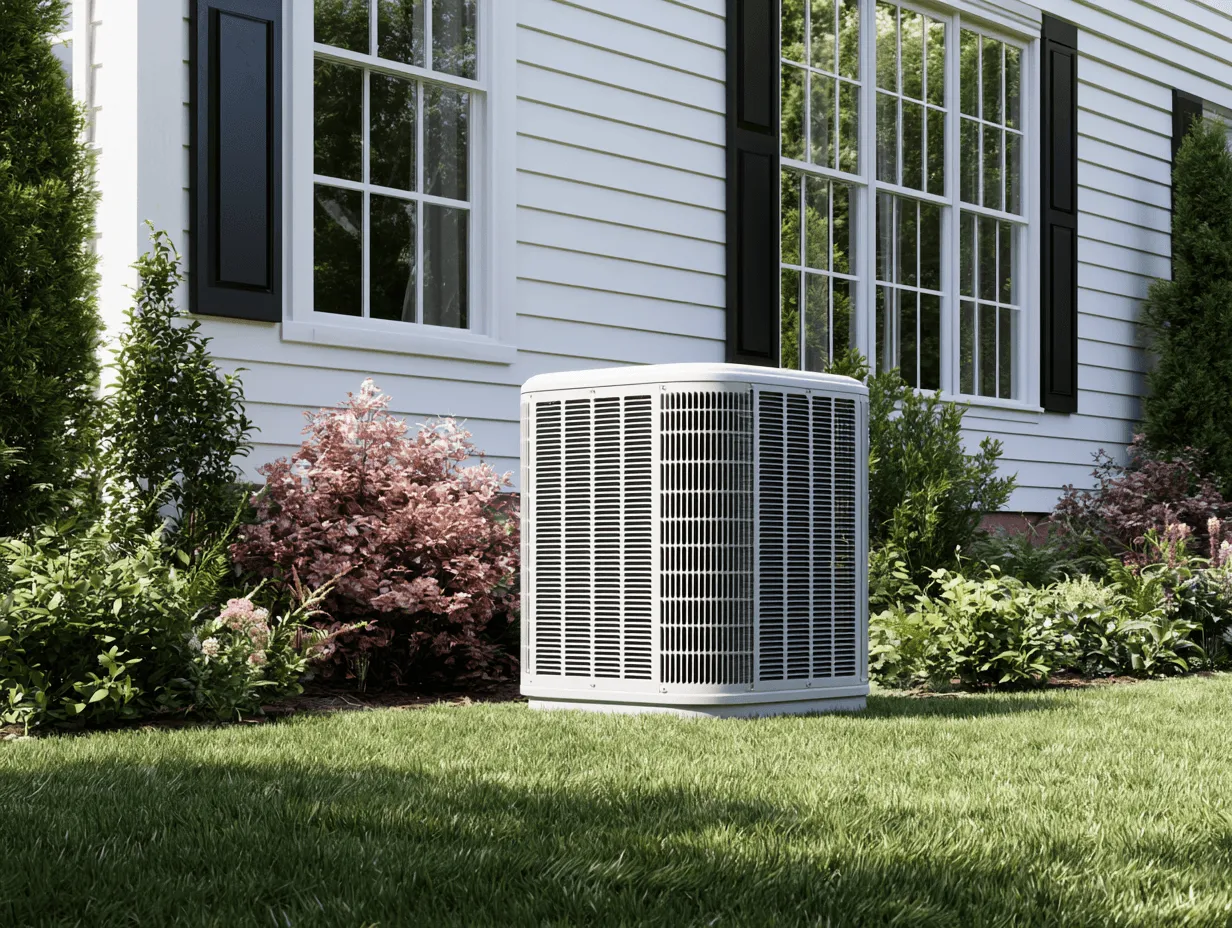
Your outdoor condenser unit should operate with a consistent low hum. Anything that deviates from that is worth paying attention to. Rattling usually means something is loose, either a panel, a fan blade, or a component mount. Grinding or squealing points to a motor bearing issue. A banging or clanking sound at startup often indicates a problem with the compressor. These sounds don't get better with time. They get worse, and the component that's struggling eventually fails.
You're seeing ice on the unit or the refrigerant lines
Ice on an air conditioning system is counterintuitive but it's not a sign the system is working well. It's almost always a sign that something is wrong. Ice typically forms on the evaporator coil or the refrigerant lines when airflow is severely restricted or when refrigerant levels are low. In both cases the coil gets too cold, moisture in the air freezes on contact, and the ice buildup further restricts airflow and accelerates the problem. If you see ice on your system, turn it off and call a technician.
The indoor unit is leaking water
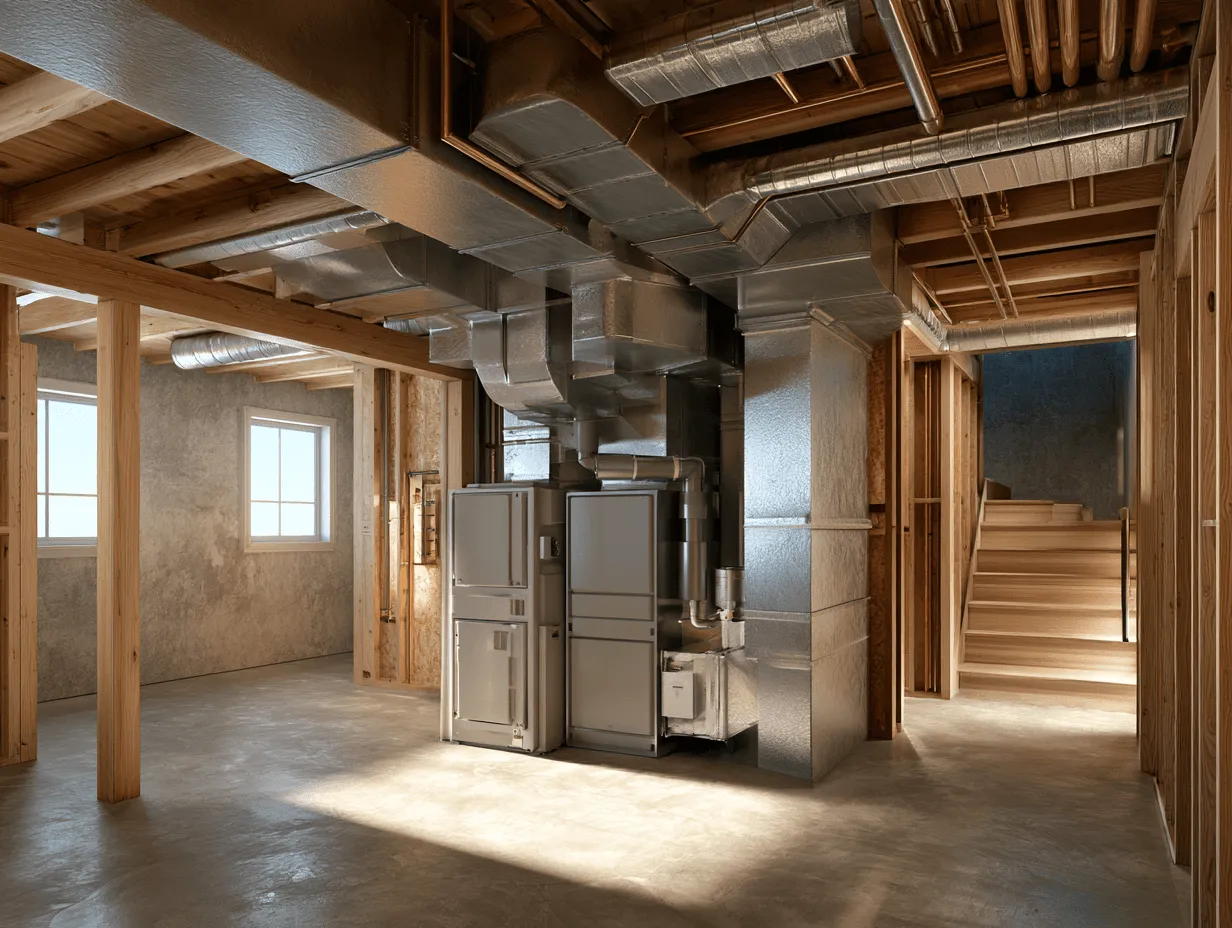
Some condensate around the drain pan is normal. A puddle under the air handler is not. When the condensate drain line gets clogged, water backs up and overflows the drain pan. Left unaddressed, this causes water damage to the area around the air handler and can create conditions favorable to mold growth. Drain line clogging is one of the most common AC maintenance issues and one of the easiest to prevent with regular service. If you're seeing water, the drain line needs to be cleared.
Your energy bills have gone up without explanation
If your electricity costs have increased from one spring to the next without a change in usage habits, your AC system is working harder than it should to deliver the same result. Reduced efficiency can come from dirty coils, low refrigerant, a struggling compressor, or airflow issues anywhere in the system. An efficiency problem that isn't addressed becomes a reliability problem. The component that's under stress eventually fails, usually at the point of peak demand.
The system hasn't been serviced in more than a year
This is less a symptom and more a risk factor, but it belongs on this list. A system that hasn't been inspected, cleaned, and checked in over a year is operating with unknown variables. Refrigerant levels might be slightly low. Coils might be dirty enough to affect performance. Electrical connections might have loosened. A failing motor might be drawing excess current. None of these will be obvious until they become a problem, and they tend to become problems when the system is working hardest.
A pre-season maintenance visit in early spring catches these issues before summer demand arrives. It's the most effective and least expensive thing you can do to avoid an emergency call in July.
What to do if you recognize any of these signs
Call for a service visit before temperatures climb. Most of the issues described above are straightforward repairs when caught early. The same issues left until peak season often mean longer wait times, higher demand pricing, and in some cases a system that's damaged itself further by running in a compromised condition.
If your AC is showing any of these signs, spring is the right time to address them. Don't wait to find out how serious it is on the first truly hot day of the year.